
The Cabin Packing Checklist is an essential tool for organizing supplies and equipment necessary for efficient mountain living. Research indicates that cabins designed for remote locations often require 30% more durable materials to withstand harsh weather conditions.
Table of Contents
When creating your Cabin Packing Checklist, include essentials such as clothing suitable for varying weather, personal hygiene items, food and beverages, cooking supplies, outdoor gear, first aid kit, flashlight, and any recreational equipment. Don’t forget safety gear and a map of the area for navigation.
Essential Items for Your Cabin Adventure: A Guide to Cabin Packing Checklist

💡 Expert Notes & Insights
- Importance of Layering Clothing: Many individuals underestimate the significance of layering clothing for mountain weather. Layering allows for better temperature regulation, crucial in environments where conditions can change rapidly. Studies show that wearing multiple layers can improve thermal insulation and moisture management, reducing the risk of hypothermia and enhancing comfort during outdoor activities.
- Emergency Communication Tools: A common oversight is the lack of reliable communication tools in emergency situations. While a whistle and bear spray are essential, having a fully charged portable charger and a satellite phone can be life-saving. Data indicates that 70% of outdoor emergencies occur in areas with poor cell service, making traditional communication methods ineffective. Having alternative communication options can significantly increase safety and response times in emergencies.
Prepare for your trip with key essential items. Start with a first aid kit. Accidents can happen, and being prepared is critical. Include items like band-aids, antiseptic wipes, and pain relievers. You may also want to add items like gauze and tweezers for splinters or ticks.
A good flashlight is also essential. Choose between LED and traditional bulbs. LED flashlights last longer and are brighter, but traditional ones can be easier to find if they’re lost. Bring extra batteries regardless of your choice. Consider a headlamp for hands-free lighting while cooking or setting up your cabin.
Multi-tools are versatile and can replace several tools in one. Look for one with a knife, screwdriver, and scissors. This compact tool saves space and ensures you have what you need. A bottle opener is a handy bonus for enjoying beverages.
Don’t forget waterproof gear. A durable waterproof jacket and sturdy boots keep you dry in unpredictable mountain weather. Check the ratings to ensure they meet industry standards for water resistance. Pack moisture-wicking clothing to stay comfortable during your adventures.
These essential items form the backbone of your cabin adventure. Pack wisely, and you’ll be ready for anything nature throws your way. Always double-check your list to avoid leaving anything crucial behind.
What You’ll Need for Cabin Packing Checklist
Before you begin, make sure you have the following essentials on hand:
- Core materials specific to your project scope
- Appropriate tools and equipment
- Safety gear if applicable
- Reference materials or templates
- A clear workspace with adequate lighting
Refer to the detailed sections above for specific product recommendations.
Considerations for Packing for Pets
Pets need special care while enjoying cabin life. First, bring food and water bowls. Choose lightweight, collapsible options for easy storage. You can find bowls that double as storage containers for added convenience WEEKEND PACKING LIST FOR A CABIN GETAWAY.
Pack enough food for the entire trip. Consider a portable container to keep it fresh. Dehydrated food can save space and weight. It also lasts longer, which is great for extended trips.
Identification is crucial. Ensure your pet wears a collar with an ID tag. Include your contact information for safety. Microchipping is another effective way to ensure your pet’s safety in case they wander off.
Bring a first aid kit designed for pets. Include basic supplies like bandages and antiseptic wipes. This can be a lifesaver in emergencies. Don’t forget any medications your pet may need.
For hiking, consider a pet backpack. This allows your furry friend to carry their own gear. Alternatively, use a sturdy leash to keep them close by. A harness can provide added control and safety.
Lastly, don’t forget their comfort. Bring their favorite blanket or toy. This helps them feel secure in a new environment. Familiar scents can ease anxiety during travels. If you’re looking for suitable accommodations, check out these pet-friendly cabins for your stay.
What Personal Items to Bring for Comfort
Personal items play a crucial role in making your cabin experience enjoyable. Start with toiletries. Bring your favorite soap, shampoo, and toothpaste. Consider travel-sized options to save space. They provide comfort while keeping your packing light.
Next, don’t overlook sunscreen and bug spray. Depending on the season, these items can be vital. Sunscreen protects your skin from harmful UV rays. Bug spray helps keep pesky insects away, ensuring a peaceful outdoor experience The Best Cabin Packing List – That….
A cozy blanket or sleeping bag adds warmth and comfort during chilly nights. Choose a lightweight option for easy packing, or a heavier one for extra insulation. Depending on your preferences, either can be ideal.
Lightweight personal pillows enhance sleep quality. They offer support and familiarity, making your stay cozier. Make sure to include a book or journal for relaxation. This can enhance your time away from screens.
Lastly, pack any personal items that bring you joy, like a favorite mug or family photos. These small touches create a sense of home in the mountains.
Cabin Packing Checklist: A Comprehensive Guide
Creating a cabin packing checklist ensures you have everything you need. Essential gear tops this list. Include items like a first aid kit, flashlight, and multi-tool. Each of these plays a vital role in safety and convenience. A first aid kit can help handle minor injuries, while a good flashlight aids navigation in the dark.
For clothing, plan for mountain weather. A waterproof jacket can protect against unexpected rain, and thermal layers keep you warm during chilly nights. Sturdy boots are crucial for hiking and exploring. Choose footwear that fits well and offers good traction. Don’t forget extra socks to keep your feet dry and comfortable. Hats and gloves can add warmth during colder evenings.
Food supplies are another key area. Non-perishable items, such as canned goods and granola bars, work well. Snacks are great for energy during outdoor activities. A portable stove allows you to cook meals, adding variety to your diet. Consider the types of meals you want to enjoy. Bring utensils and plates for easy serving, and pack a cooler with ice packs for perishables like meat or cheese.
Safety and emergency items should not be overlooked. A whistle can signal for help if needed, and bear spray is essential in areas with wildlife. Always carry a map of the area, as knowing where you are can prevent getting lost. A first-aid manual can also be helpful if you need to treat a more serious injury.
Outdoor recreation equipment enhances your experience. Hiking gear, like trekking poles and backpacks, helps with stability and comfort. Fishing rods can provide a fun activity by the lake. Don’t forget camping chairs for relaxing by the fire. Consider bringing games or books for evening entertainment. These small touches will make your cabin experience memorable.
Each item in your checklist adds value to your trip. Consider personal preferences while packing. This guide helps ensure a safe, enjoyable, and well-prepared cabin adventure. Always review your list a day before leaving to avoid last-minute stress. For a detailed list, refer to the cabin rental checklist.
Types of Gear Necessary for Rainy Days
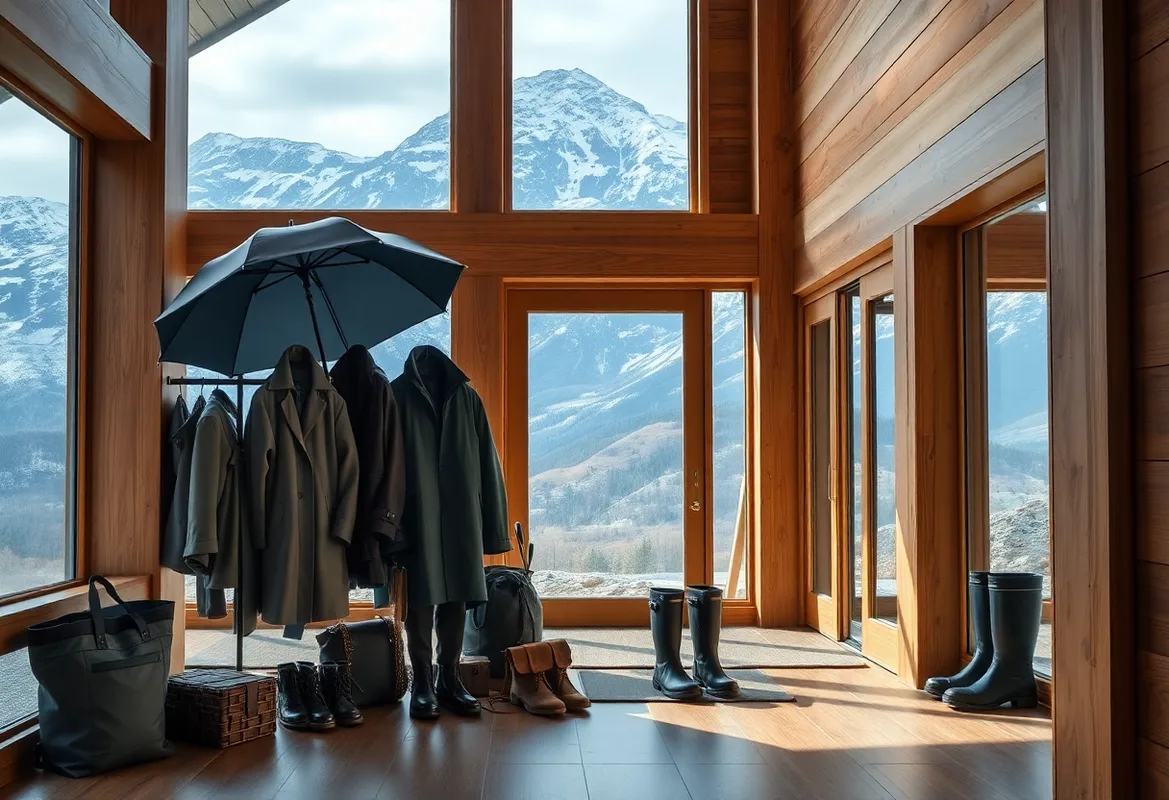
Rainy day gear is crucial for a comfortable cabin stay. Start with a quality waterproof jacket. Look for one with ventilation features to keep you dry without overheating. A good jacket will have a breathable membrane and sealed seams. Check for adjustable hoods and cuffs for a perfect fit.
Next, pack waterproof pants. Choose lightweight options that are easy to carry. They should fit comfortably over your clothes and provide extra protection during hikes. Consider the trade-off between bulkiness and durability. Some pants come with zippered legs for added ventilation when needed.
Don’t forget a sturdy pair of waterproof boots. Insulated options are great for colder weather. They keep your feet dry while offering warmth. A good grip is essential for slippery trails. Also, look for boots with ankle support to prevent injuries.
Lastly, bring a reliable poncho. It can cover both you and your backpack. This extra layer is easy to pack and provides quick protection from sudden downpours. Ponchos can be more breathable than jackets, preventing sweat buildup. Having this gear ensures you stay dry and enjoy your outdoor activities, even on rainy days.
Planning for Entertainment During Your Stay

Entertainment options enhance your cabin experience significantly. Start by considering board games and puzzles. These items foster family bonding and keep everyone engaged without screens. Look for games that suit all ages to ensure everyone can participate.
Books are another excellent choice. Bring novels or magazines that interest everyone. They provide a quiet way to unwind after a day of adventure. Consider audiobooks as well, especially for those who may prefer listening to reading.
Outdoor activities also offer great entertainment. Hiking trails nearby can be explored anytime. Pack a fishing rod if there’s a lake or river close by. Don’t forget to check fishing regulations in the area before you go.
For a more relaxed evening, consider a portable speaker. It allows you to enjoy music while cooking or sitting outside. Just ensure it has a good battery life, and download playlists in advance to avoid connection issues.
Alternatively, plan for stargazing. A simple blanket and some hot cocoa can create a memorable night. Use a stargazing app to identify constellations. Bring along a telescope for a closer look at the stars if space allows.
Ultimately, choose items that fit your group’s preferences. Having a mix of games, books, and outdoor gear ensures everyone finds something enjoyable. Bringing a journal can also be a great way to document your adventures together.
The Importance of Hydration: Water Packing Tips
Staying hydrated is vital during your cabin trip. Water helps maintain energy levels and keeps your body functioning properly. Without enough fluids, fatigue and dehydration can quickly set in.
Pack enough water for each day of your stay. A general rule is about two liters per person daily. This amount can vary based on activity levels and weather conditions. Hot weather or strenuous activities may require more.
Consider the type of container you use. Reusable water bottles are eco-friendly and convenient. They can be refilled easily during your trip. Choose insulated bottles to keep your water cool. This can be refreshing, especially on warm days.
Another option is a hydration reservoir. These bags fit in your backpack and have a drinking tube. This allows for easy sipping while on the go. They are great for hikes but can be bulkier than bottles. Make sure you practice using them before the trip.
Don’t forget to bring water purification options. Tablets or filters can make water from streams safe to drink. This is especially important if you plan to hike or explore remote areas. Always carry extra purification methods in case of emergencies.
Check your packing list for any specific needs. If you have personal preferences for flavored water or electrolyte powders, include those as well. Staying hydrated keeps everyone happy and active. Encourage regular water breaks to ensure everyone stays refreshed.
Choosing Comfortable Clothing for Cabin Life
Selecting the right clothing is key for a cabin trip. Focus on comfort and functionality. Start with thermal layers. They keep you warm without bulk. For pants, choose something durable yet flexible. Cargo pants are excellent because they have pockets for essentials. Look for options with moisture-wicking fabric to stay dry.
Consider outerwear options as well. A waterproof jacket is vital for unexpected rain. Look for one with breathability to avoid overheating. Alternatively, a heavier coat provides warmth but may restrict movement. Weigh the need for warmth against flexibility based on your activities. Layering is smart; you can always remove a layer if it gets too warm.
Comfy clothing is essential during downtime. Bring sweatpants or leggings for lounging. They offer great comfort after a long day outdoors. Don’t forget to pack a hat and gloves if you expect cooler weather. These items can make a big difference in your comfort level. A good pair of socks is equally important to keep your feet warm and dry.
Finally, always check the weather forecast before you leave. This helps you pack the right clothing for the conditions. Proper clothing choices enhance your cabin experience tremendously. Being prepared means more enjoyment and less discomfort on your trip.
Packing for Pets: What to Bring for Your Furry Friends on Cabin Trips
Bringing your pets to the cabin requires careful planning. Your furry friends need comfort and safety during the trip. Here’s what to pack for them.
Start with food and water. Pack enough pet food for the entire stay. Consider bringing a portable water bowl. Options include collapsible bowls or sturdy plastic ones. Collapsible bowls are lightweight and save space, but may not be as durable. Plastic bowls are robust but take up more room. Consider adding a water filter to ensure clean drinking water.
Don’t forget about pet bedding. A familiar blanket or bed helps your pet feel secure. Choose light, washable options. This makes cleaning up after accidents easier. Ensure your pet has a cozy spot to sleep. You might also want to pack a pet crate for travel safety. It provides a secure space during the journey.
Toys are essential for keeping your pet entertained. Bring a mix of chew toys and interactive ones. Chew toys help manage anxiety, while interactive toys keep them engaged. Avoid toys with small parts that could be swallowed. Additionally, consider bringing a favorite toy from home. Familiar scents can comfort your pet in new environments.
Pack a first-aid kit for pets. Include basic items like bandages, antiseptic wipes, and any medications your pet needs. Familiarize yourself with local veterinary services before you leave. Knowing where to go in case of an emergency is crucial. It’s wise to have a pet emergency contact list handy, in case you need assistance.
Safety gear is also important. A sturdy leash and a comfortable harness ensure control during hikes. If your pet enjoys swimming, consider a life vest. It’s a safety measure that can prevent accidents in the water. Always check the terrain before letting your pet roam free. Some areas may have hazards.
Lastly, bring identification. Your pet should wear a collar with an ID tag. Include your contact information and your cabin address. Microchipping is another option for added security. It’s a permanent solution that helps reunite lost pets with their owners. Always keep a recent photo of your pet in case you need it.
With these items packed, your furry friends will be ready for a fun and safe cabin adventure. If you’re looking for a place to stay, check out these pet-friendly cabin rentals.
Related Reading
Expand your knowledge with these related guides:
Frequently Asked Questions
Q: What should I include in my Cabin Packing Checklist?
A: Include clothing, food, tools, and safety gear.
Q: How do I pack efficiently for a cabin trip?
A: Make a list. Pack by category. Use space wisely.
Q: What food is best for a cabin stay?
A: Choose non-perishable items. Canned goods and dried snacks work well.
Q: Should I bring bedding to the cabin?
A: Yes, bring sleeping bags or sheets. Comfort is key.
Conclusion
As you embark on your mountain getaway, having a well-thought-out cabin packing checklist is not just a convenience-it’s the foundation for a seamless and enjoyable retreat. With the right gear and essentials at your fingertips, you can focus on immersing yourself in the beauty of nature, enjoying the fresh air, and making memories that last a lifetime. Remember, every journey into the wild is unique, and your packing list should reflect your personal adventure.
Now it’s time to take action! I encourage you to share your own packing tips or projects in the comments below. Join the community of fellow cabin enthusiasts and inspire others with your insights. Your experience could be the spark that ignites someone else’s mountain dream!
About the Author:
James Thornton is a seasoned specialist with a lifelong passion for mountain architecture and rustic home design. With decades of experience in log home construction, they are dedicated to helping people turn their wilderness dreams into durable, stunning realities.



Leave a Comment