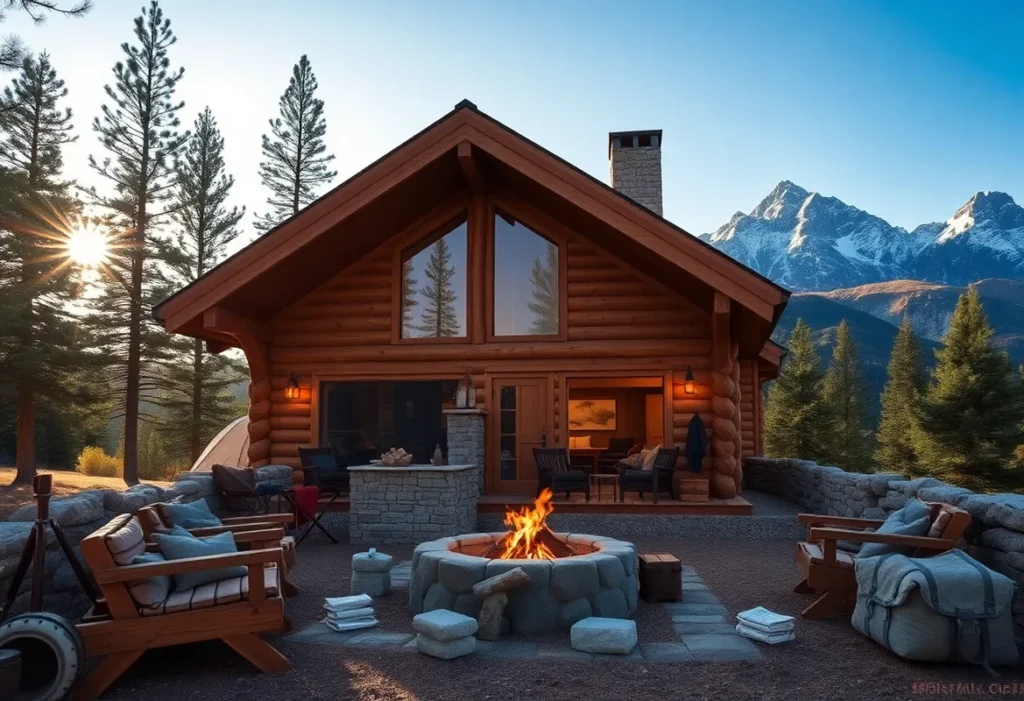
The Cabin Packing Checklist is an essential guide for ensuring that all necessary items are included for a successful stay in a mountain cabin, serving as a foundational element of mountain living. A well-equipped cabin can enhance comfort and efficiency, with studies showing that cabins designed for seasonal use can reduce energy consumption by up to 30% compared to traditional homes.
Table of Contents
For your cabin packing checklist, include essentials such as sleeping bags, cooking gear, food supplies, first aid kit, clothing layers, toiletries, flashlight, and outdoor gear like hiking boots. Don’t forget personal items like identification and any necessary medications to ensure a comfortable and safe camping trip.
Essential Items for a Cabin Camping Trip: A Guide to Cabin Packing Checklist
💡 Expert Notes & Insights
- Importance of Layering Clothing: Many individuals underestimate the significance of layering clothing for temperature regulation. Wearing moisture-wicking base layers helps in moisture management, while insulating layers trap heat. A waterproof jacket provides protection against rain and wind, which are common in mountainous areas. According to outdoor experts, proper layering can enhance comfort and prevent hypothermia in cold conditions.
- Food Preparation Considerations: A common oversight is failing to plan for food preparation equipment. While packing non-perishable items is essential, having a portable stove or cooking gear is crucial for meal preparation. Data from camping surveys indicate that meals prepared outdoors contribute to a more enjoyable experience. Additionally, being equipped for cooking can prevent reliance on pre-packaged meals, which may not meet dietary needs or preferences.
Start with a good sleeping bag. Choose one rated for 20°F or lower. This ensures warmth during chilly nights. A quality bag will keep you comfortable. Look for bags with an insulated hood to trap heat better.
Next, consider your clothing and footwear. Pack moisture-wicking base layers. Waterproof jackets are essential too. They help keep you dry and comfortable. Don’t forget extra socks and sturdy hiking boots for support.
Food plays a big role in your trip. Bring non-perishable items like canned goods and granola bars. These are easy to prepare and taste good. Include items like dried fruits and nuts for quick snacks. Don’t forget a portable stove or cooking supplies.
Safety is crucial in the wilderness. An essential first aid kit is a must. A basic kit costs around $30 and includes bandages and antiseptics. Add personal medications and a flashlight for emergencies. It’s a small price for peace of mind.
Outdoor recreation equipment is also important. Depending on your activities, pack a tent, hiking poles, and fishing gear. These items enhance your outdoor experience. Check the weather and pack accordingly to ensure comfort.
With this cabin packing checklist, you’ll enjoy a comfortable and safe trip. Proper preparation makes all the difference in the mountains.
What to Include in Your Cabin Packing Checklist
Begin with essential gear. Make sure to pack sleeping bags rated for colder temperatures. A quality one ensures warmth and comfort during chilly nights.
Next, consider your clothing and footwear. Bring moisture-wicking layers and sturdy boots. Waterproof jackets are a must for unpredictable weather. They keep you dry and comfortable while enjoying the outdoors.
Food and cooking supplies are crucial. Pack non-perishable items such as canned goods and granola bars. These are easy to store and prepare, saving you time.
Don’t overlook safety and first aid items. A basic first aid kit is essential. It should include bandages, antiseptics, and other specific supplies to handle common injuries.
Lastly, think about outdoor recreation equipment. Depending on your activities, consider packing a tent, fishing gear, or hiking poles. Choose items that best fit your planned adventures.
Using a dry bag can help compress your clothes and save space. Also, remember to pack shower supplies, hand soap, and trash bags to avoid forgetting essential items Must have packing list for cabin camping….
Considerations for Packing Clothes for Cabin Adventures
Packing the right clothes for your cabin adventure is crucial. Weather can change quickly in the mountains. Layering is key to staying comfortable and adapting to temperature shifts The Best Cabin Packing List.
Start with moisture-wicking base layers. These help keep you dry and warm. Avoid cotton, as it retains moisture and can lead to chills. Consider synthetic fabrics or wool for better performance and warmth retention.
A waterproof jacket protects against rain and wind. Look for one that is breathable to keep sweat from building up. Trade-offs include weight versus durability; lighter jackets may not withstand rugged conditions. Check for adjustable hoods and cuffs for a better fit.
Don’t forget sturdy footwear. Waterproof hiking boots provide support and traction on uneven trails. Alternatively, trail runners are lighter but offer less ankle support. Choose based on your planned activities and terrain.
Pack enough socks and underwear. Quick-drying options are ideal for outdoor use and can save space. Include a warm hat and gloves for cold nights. This helps maintain body heat while you rest and keeps you comfortable when temperatures drop.
Following these considerations will ensure you pack effectively. This will enhance your experience in the great outdoors. Remember, packing smartly can make all the difference in your comfort and enjoyment.
Must-Have Gear for Enjoying Cabin Life

Essential gear makes your cabin life enjoyable and comfortable. A good sleeping bag is crucial. Choose one rated for 20°F or lower to stay warm at night. Look for bags that compress well for easy packing but expand fully when in use. Keep in mind that a sleeping pad adds insulation and comfort against the cold ground.
Another vital item is a reliable multi-tool. This handy device combines a knife, screwdriver, and other tools in one compact unit. It saves space in your bag while providing functionality for various tasks around the cabin. Look for models with pliers, scissors, and a can opener for added convenience.
Don’t overlook a durable cooler. Choose between soft-sided and hard-sided options. Soft-sided coolers are lightweight and easy to carry, while hard-sided coolers are more robust and keep ice longer. Consider your activities when selecting the right type. A good cooler allows you to enjoy fresh food and cold drinks during your stay.
Include sunscreen and bug spray in your gear list. Protecting your skin from harmful rays and annoying insects enhances your outdoor experience. Choose a broad-spectrum sunscreen with SPF 30 or higher. Lastly, a comprehensive first aid kit is essential. Ensure it has bandages, antiseptics, and other necessary supplies, like tweezers and pain relievers, for minor injuries.
Cabin Packing Checklist: Don’t Forget These Items
Pack a basic first aid kit. A good one costs around $30 and includes bandages and antiseptics. This small investment can make a big difference in emergencies. Include items like gauze, adhesive tape, and pain relievers. Check your kit before each trip to ensure supplies are complete.
Non-perishable food items are essential for your trip. Canned goods and granola bars are easy to pack and offer quick meals. Consider packing ready-to-eat meals, dried fruits, and nuts. Ensure you have enough for your stay, factoring in extra snacks for hiking or activities.
Outdoor recreation equipment varies by activity. If you plan to hike, bring trekking poles for stability and comfort. Fishing gear is a must for those who enjoy casting lines. Don’t forget a sturdy backpack to carry your gear while exploring.
Don’t forget your campfire supplies. A compact fire starter and dry kindling can save you time. You can also choose between pre-made options or natural materials like dryer lint. Packing waterproof matches or a lighter is wise. These can ensure a fire even in damp conditions.
Bring a reliable flashlight or headlamp. These tools ensure visibility at night. Look for ones with long battery life to avoid interruptions during your adventures. Headlamps offer hands-free use, which is great for cooking or setting up tents after dark.
Packing for Pets: What to Bring for Your Furry Friends

Bringing pets to the cabin requires careful planning. Start with their food and water bowls. Collapsible bowls are a great space-saving option. They are easy to store and use. Pack enough food for the entire trip. A good rule is to bring an extra day’s worth, just in case.
Don’t forget your pet’s favorite toys. These provide comfort in a new environment. Chew toys and balls can help keep them entertained. A cozy blanket or bed is also essential. It gives them a familiar place to relax.
Consider a pet first aid kit. This kit should contain basic supplies, like antiseptic wipes and gauze. You can find compact kits specifically designed for pets. Additionally, bring their leash and a portable dog waste bag dispenser. This helps keep your cabin area clean.
Whether camping or enjoying a cabin getaway, ensuring your pet’s comfort is crucial. With the right gear, both you and your furry friends will enjoy your time in the mountains.
Entertainment Ideas for Relaxing in a Cabin
Reading books is a classic way to unwind. Bring a variety of genres to keep everyone engaged. Choose novels, guides, or even outdoor adventure books. They can spark conversations and inspire outdoor activities. Don’t forget a cozy blanket for those chilly evenings.
Games are another great option for family bonding. Card games or board games can provide hours of fun. Lightweight games are easy to pack. Ensure you have space to play comfortably. Consider bringing a notepad for keeping score or jotting down funny moments.
Outdoor activities can also serve as entertainment. Plan short hikes, or bring fishing gear for a quiet afternoon by the lake. Nature walks can help you connect with the landscape and provide a break from screens. Look for interesting plants to photograph or identify along the way.
Consider bringing a portable speaker for music or podcasts. It can enhance the atmosphere, especially during cooking or relaxing. Just be sure to respect nature’s tranquility and keep the volume low. Create a playlist of your favorite tunes for the perfect cabin vibe.
Craft supplies can spark creativity. Sketching, painting, or even simple crafts can be enjoyable. These activities allow for relaxation and self-expression in a beautiful setting. Bring along some easy-to-follow tutorials for inspiration and fun projects.
Toiletries and Personal Items to Remember
Toiletries are essential for a comfortable cabin stay. Start with basic items like toothbrushes, toothpaste, and soap. You may also want to include shampoo and conditioner. Small travel sizes save space and weight.
Pack a quick-dry towel instead of a regular one. These towels absorb water well and dry faster. They are perfect for cabin life. A compact towel takes up less space in your bag.
Choose a personal hygiene kit that includes deodorant and any skincare products you use daily. If you wear contact lenses, bring enough solution and a backup pair of glasses. This ensures you can see clearly during your stay.
Don’t overlook any medications. Bring a few days’ worth of prescriptions and over-the-counter items like pain relievers. A basic first aid kit is also a must. It can help with minor injuries and costs around $30.
Lastly, remember to pack a small mirror and a comb or brush. These items help you feel fresh after a long day in the mountains. With these toiletries and personal items, you’ll enjoy a comfortable cabin experience.
Preparing for Varying Weather Conditions
Mountain weather can change quickly. Pack layers to stay comfortable. Start with moisture-wicking base layers. These help keep sweat away from your skin. Add insulating layers like fleece or down jackets. Finish with a waterproof jacket to protect against rain or snow.
A quality sleeping bag is essential. Choose one rated for 20°F or lower for colder nights. If you’re expecting warmer weather, a lighter sleeping bag may suffice. Remember, a heavier bag can be bulky and harder to pack. Look for compact designs to save space.
Bring accessories for weather protection. A wide-brimmed hat can shield you from the sun. Gloves and warm socks are vital for chilly evenings. Sunglasses protect your eyes from UV rays. Don’t forget a scarf for added warmth when temperatures drop.
Consider your activities. If you plan to cook outside, a portable pot set is handy for meals. A sturdy backpack will carry all your essentials while keeping you organized. Use packing cubes inside your backpack to sort items easily.
Prepare for the unexpected. Check the weather forecast before your trip. Pack a lightweight emergency blanket for extra warmth if needed. Being equipped for changing conditions enhances your outdoor experience and keeps you safe.
Frequently Asked Questions
Q: What should I include in my Cabin Packing Checklist?
A: Your checklist should cover essentials like clothing, food, and gear.
Q: How can I pack efficiently for a cabin trip?
A: Roll your clothes and use packing cubes to save space.
Q: Should I bring sleeping bags or blankets?
A: Bring sleeping bags for warmth. They are easy to pack.
Q: What food should I consider for my cabin stay?
A: Non-perishable items are best. Think canned goods and snacks.
Q: Is it important to plan for the weather?
A: Yes, check the forecast. Pack accordingly for rain or snow.
Q: How do I keep my cabin safe from wildlife?
A: Store food in sealed containers and keep trash away from the cabin.
Q: What tools might I need at the cabin?
A: Bring a multi-tool and flashlight for basic repairs and emergencies.
Q: How can I stay connected while at the cabin?
A: Consider a portable charger. Some cabins have limited power.
Q: Should I prepare for emergencies?
A: Yes, pack a first aid kit and know your nearest help points.
Conclusion
As you venture into the great outdoors, a well-thought-out cabin packing checklist serves as your roadmap to a seamless retreat in the mountains. It ensures you don’t overlook essential gear while maximizing your comfort and enjoyment in nature’s embrace. With the right items packed, you can focus on what truly matters-unwinding, exploring, and creating lasting memories.
Now that you’re armed with this essential checklist, I encourage you to share your own cabin packing insights or personal projects! Whether it’s unique items you can’t live without or innovative ways to organize your gear, your experiences could inspire fellow cabin enthusiasts. Let’s build a community of mountain living advocates who are ready to make their cabin dreams a reality!
About the Author:
James Thornton is a seasoned specialist with a lifelong passion for mountain architecture and rustic home design. With decades of experience in log home construction, they are dedicated to helping people turn their wilderness dreams into durable, stunning realities.


Leave a Comment