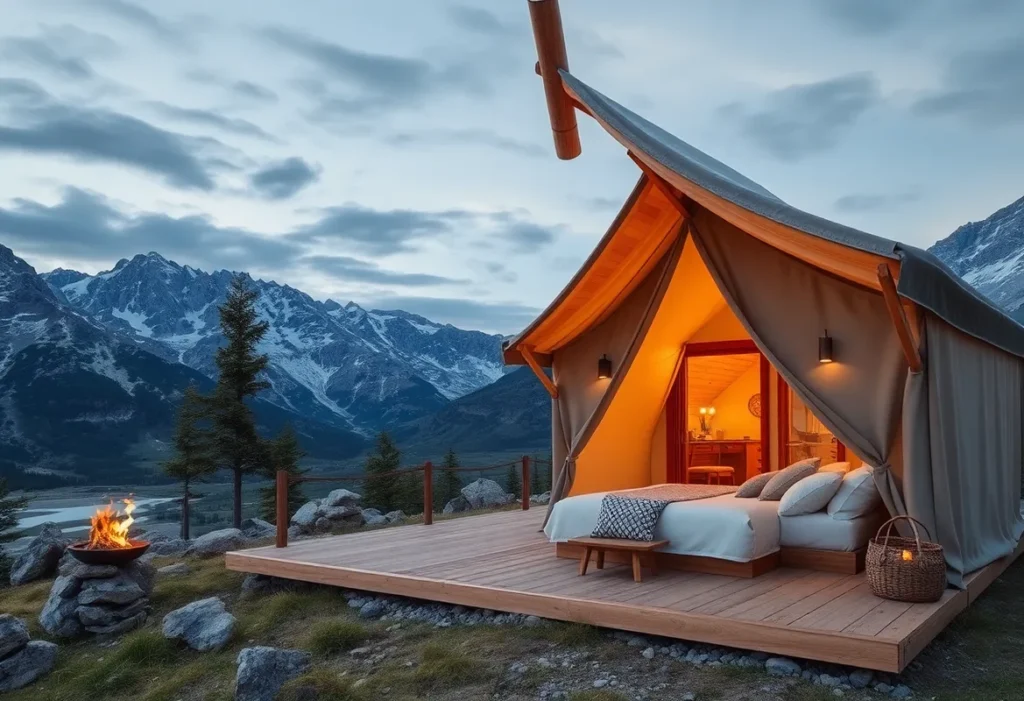
Cabin vs Glamping refers to the comparison between traditional cabin accommodations and luxury camping experiences, which is a foundational element of mountain living. A standard cabin of this type typically requires 40% less energy for heating compared to a glamping setup.
Table of Contents
The main differences between Cabin and Glamping accommodations lie in comfort and amenities. Cabins typically offer rustic, self-contained living spaces with kitchens and bathrooms, while Glamping combines camping with luxury, featuring upscale tents or yurts with hotel-like amenities. Cabin vs Glamping highlights the contrast in experience and level of comfort.
Understanding the Appeal of Glamping: A Guide to Cabin Vs Glamping
💡 Expert Notes & Insights
- Environmental Impact of Construction Materials: While cabins are often constructed with traditional materials like wood and stone, the sourcing and sustainability of these materials can have significant environmental repercussions. For instance, deforestation for timber can lead to habitat loss and increased carbon emissions. In contrast, glamping structures, which frequently utilize lighter, more temporary materials, can have a lower environmental footprint if designed with sustainability in mind, such as using recycled or locally sourced materials.
- Long-Term Cost Considerations: Although the upfront costs of building a cabin range from $100,000 to $500,000, ongoing expenses such as maintenance, property taxes, and utilities can significantly impact long-term financial commitments. In contrast, glamping sites, with lower initial investments and operational costs (averaging $50 to $300 per night), provide a flexible and often more financially manageable option for vacationers. This distinction is crucial for families and couples who may prioritize budget-friendly travel without sacrificing unique experiences.
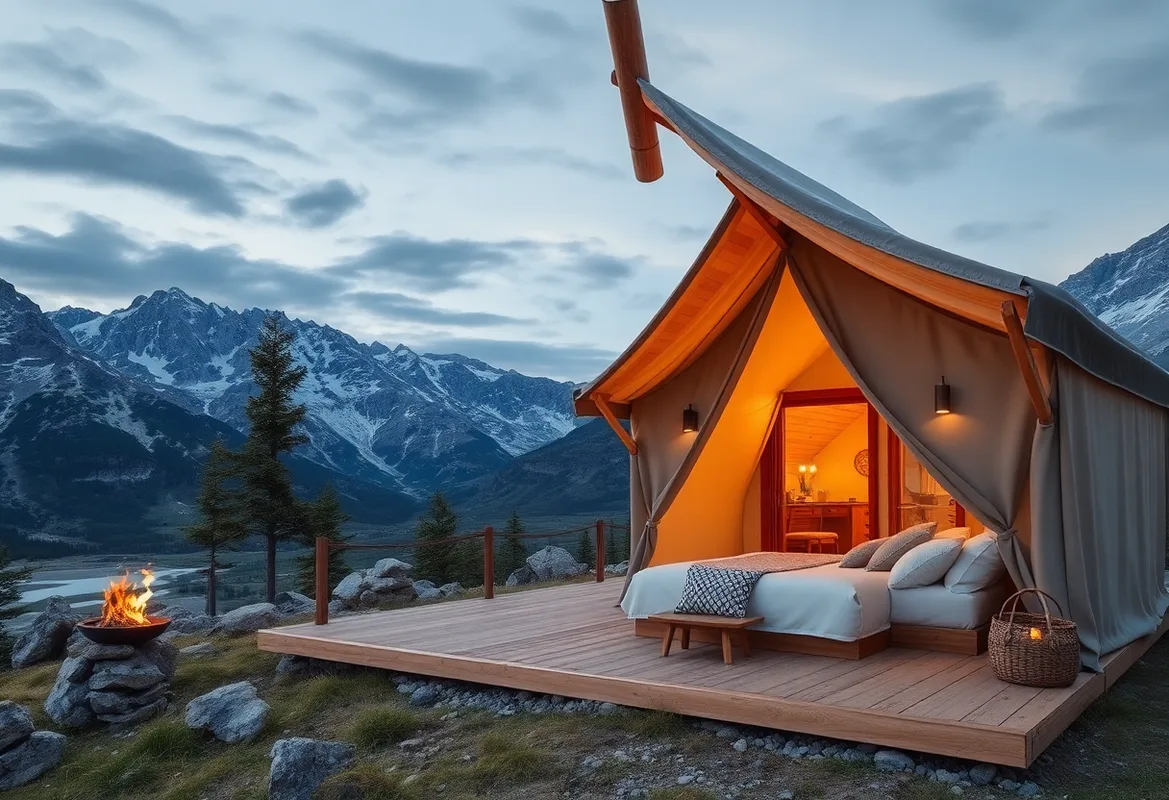
Glamping offers a mix of comfort and adventure. It attracts those who love nature but want luxury. Imagine waking up in a cozy yurt, surrounded by trees. You can enjoy modern comforts too, like electricity and Wi-Fi.
Unlike camping, where you sleep on the ground, glamping has comfy beds and private baths. This makes it great for families and couples. You can enjoy the outdoors while feeling at home. Many sites even have climate control for your comfort, making it cozy in any weather.
Many glamping sites include extra luxuries like good meals, hot tubs, and nice decor. Some even offer guided outdoor fun, like hiking or kayaking. This mix of nature and comfort is perfect for those who want a fun experience without the hassle of setting up a tent. Don’t forget to check reviews to find the best sites.
Glamping can also cost less than building a cabin. While cabins usually cost between $100,000 and $500,000, glamping sites range from $50 to $300 per night. This makes it a good choice for short trips. Think about booking in the off-peak season for better rates and availability. Always compare sites to find the best amenities for your budget.
Cabin vs Glamping: A Simple Comparison
Cabins and glamping each offer different experiences in nature. A cabin has solid walls and a cozy feel. It usually ranges from 800 to 1,200 square feet. Building one can cost between $100,000 and $500,000. This choice is good for families or groups wanting comfort and privacy. Many of these accommodations also have kitchens and bathrooms, which make the stay better.
Glamping, on the other hand, adds a fun twist to camping. Accommodations can include tents, yurts, or even treehouses. These options often start at about $50 a night. This style is great for those wanting comfort without a big cost. However, it may lack the classic feel of a cabin. Glamping often has stylish furniture and sometimes even electricity, making it a cozy spot. If you’re interested in unique stays, you can explore glamping options.
Critter problems are a real worry in cabins due to their rustic style. Glamping gives a more closed experience, lowering this risk a lot. For those wanting a better camping experience, cabins are often the better choice. Each option has its trade-offs, based on personal likes. If you want space and strength, cabins win. For a fun experience with less commitment, glamping shines Glamping Tent Vs Cabin: Which Is Best?….
Unique Features of Traditional Camping
This section provides additional context and guidance related to Cabin vs Glamping. For the best outcome, combine these insights with the core strategies outlined throughout this guide.
Every project is unique, so feel free to adapt the recommendations here to suit your specific needs, budget, and timeline.
What to Expect from Cabin Accommodations
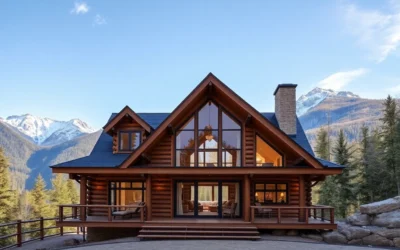
Cabin accommodations provide a warm and inviting atmosphere. Expect solid walls, often made from wood or stone. This gives a cozy feel that is perfect for a mountain retreat.
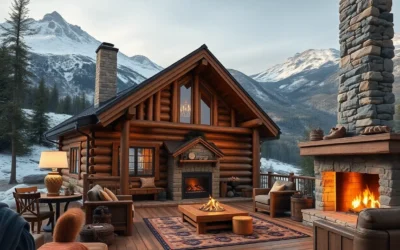
Most cabins have a traditional design. You will find features like a fireplace or a spacious deck. These elements create a unique experience for your morning coffee or evening relaxation. Consider adding outdoor furniture to enhance your deck experience Unveiling Different Types of Glamping: From Treehouses….
Space is abundant in cabins. They often range from 800 to 1,200 square feet, allowing for comfortable living. Many cabins come with separate bedrooms and a full kitchen, making them ideal for family trips. Ensure the kitchen is stocked with supplies for cooking.
Modern cabins might include amenities like Wi-Fi and air conditioning. This blends comfort with the rustic charm of nature. For those who want a true escape, cabins can feel like a home away from home. Look for luxury cabin options with game rooms or hot tubs for added fun.
Expect to explore the great outdoors right from your doorstep. Hiking trails and scenic views are often just moments away. Choose a cabin for a memorable getaway that combines nature with comfort. Always check local wildlife guidelines to stay safe.
Exploring Eco-Friendly Glamping Options
Eco-friendly glamping options let you enjoy nature while reducing your impact. Many sites focus on being green by using renewable materials and energy. Tents made from recycled fabrics are common. They offer good protection without harming the environment. Additionally, look for sites that use solar energy for heating and lighting.
Yurts are another popular choice. These round structures often use sustainable wood and have great insulation. They can be bigger than regular tents, which makes them ideal for larger groups while keeping a low ecological footprint. Some yurts even come with composting toilets, further minimizing waste.
Treehouses offer a fun experience, mixing luxury with nature. They can have solar panels to power lights and small devices. This lets guests enjoy modern comforts while being among trees. Many treehouses feature large windows for stunning views, blending indoor and outdoor spaces.
Choosing between these options depends on your needs. Tents are usually the cheapest but may lack some comforts. Yurts and treehouses give more space and amenities. They are perfect for an eco-friendly getaway. Be sure to check the environmental practices of your chosen site to ensure you are supporting sustainable tourism.
Pros and Cons of Camping Adventures
Camping adventures offer unique experiences. Being outdoors connects you to nature. You can enjoy fresh air and starry nights. Setting up a tent is simple and allows for flexibility in location. You can move your campsite if you find a better view or more privacy.
However, camping can lack comfort. Most tents have thin walls that offer little insulation. You may miss the luxury of a cabin’s amenities, like a proper bathroom or kitchen. Weather can impact your trip significantly. Rain or cold can make camping less enjoyable. Always check the forecast before you go. Bring a good-quality rainfly for your tent.
Glamping provides a middle ground. It combines the essence of camping with luxurious touches. You can enjoy comfortable beds, stylish decor, and even gourmet food options. Some glamping sites offer private bathrooms, which is a huge plus. Yet, this comfort often comes at a higher cost.
Choosing between camping and glamping depends on your style and budget. Camping is budget-friendly but may sacrifice comfort. Glamping offers luxury but can be pricier. Each option has its trade-offs. Decide what experience you truly want. Consider how much time you’ll spend outdoors versus how much comfort you desire.
Cabin vs Glamping: Which Fits Your Style?
Cabins provide a traditional, sturdy option for mountain living. They often feature wood, stone, and metal, ensuring durability and comfort. Average sizes range from 800 to 1,200 square feet, offering plenty of space for families. Building one can range from $100,000 to $500,000. This investment can provide a long-term retreat. Keep in mind, regular maintenance is key to preserving its value.
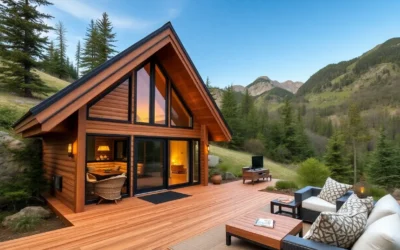
On the other hand, glamping offers a unique experience. It combines the charm of camping with modern comforts. Accommodations can include luxurious tents, yurts, or treehouses. Prices for this option can range from $50 to $300 per night, making it a more budget-friendly choice for short stays. These sites are often smaller, around 100 square feet, which adds to the cozy atmosphere. Look for locations that offer amenities like hot showers and gourmet meals for added comfort. If you’re interested in this option, you can explore glamping options that suit your needs.
Both options have their benefits. Cabins offer permanence and space, while glamping provides flexibility and fun. Consider your budget and style. Do you prefer a traditional retreat or a unique outdoor experience? Your choice will impact your enjoyment of nature. Think about how often you’ll use the space, and what fits your lifestyle.
Amenities That Enhance the Glamping Experience
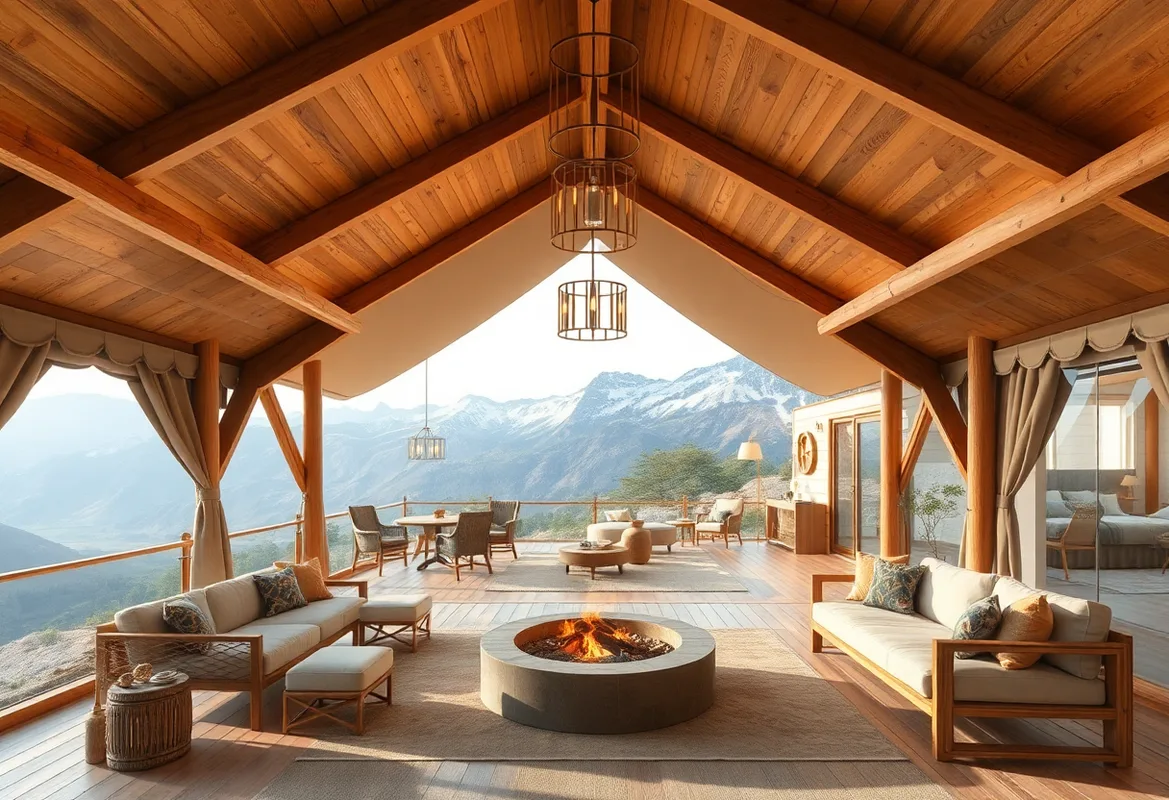
Glamping offers many amenities that improve the experience. Comfortable beds with high-quality linens are standard. Guests enjoy a good night’s sleep under the stars, wrapped in cozy blankets for extra warmth.
Private bathrooms are another popular feature. These often have hot showers and flushing toilets. This adds comfort and makes the retreat feel more like home, allowing guests to freshen up easily after a day of adventure.
Outdoor seating areas enhance relaxation. Many glamping sites have cozy fire pits, lounge chairs, and even hammocks. These spaces are perfect for evening gatherings, storytelling, and stargazing. Consider bringing a good book or some board games for added fun.
Some sites offer gourmet food options. Meals can be made by chefs or brought to your tent. This gives a unique food experience that standard camping lacks. Look for options that include local ingredients or special dietary accommodations.
Many glamping locations also provide activities. Guided hikes, yoga classes, spa services, and adventure sports are common. These amenities create a fun, luxurious escape into nature. Always check for seasonal events, like outdoor movie nights or guided wildlife tours, to make the most of your stay. If you’re curious, explore the differences between glamping and cabin stays.
The Comfort of Sleeping in a Cabin
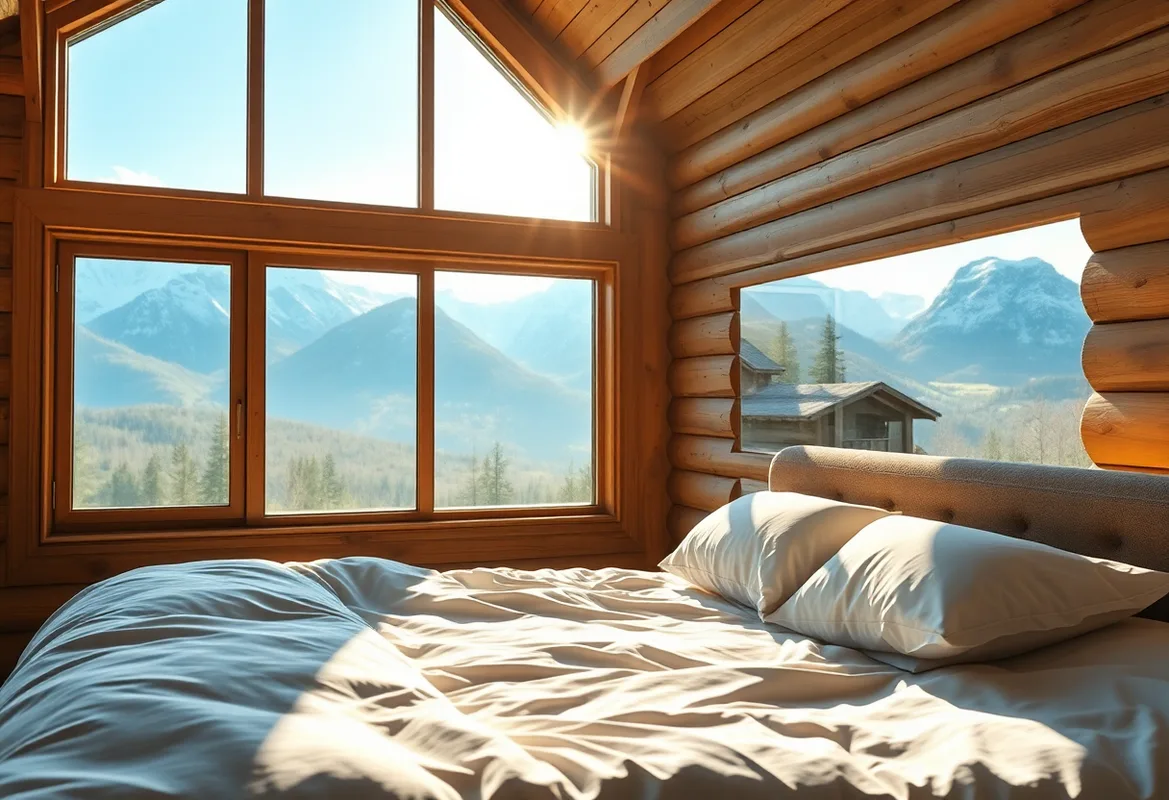
Sleeping in a cabin offers a unique comfort not found in tents. Cabins provide sturdy walls that shield against the elements. This creates a cozy environment, perfect for restful nights.
Most cabins feature comfortable beds with high-quality mattresses. Enjoy the luxury of soft linens and plenty of pillows. The feeling is much like sleeping in a home, unlike traditional camping.
Many cabins come with amenities such as electric heating and private bathrooms. This makes nighttime routines easy and relaxing. You won’t have to deal with the hassle of shared facilities or cold showers.
Soundproof walls help block out noise from nature. This allows for a peaceful sleep, undisturbed by wind or rain. In contrast, glamping accommodations may not provide the same level of quiet.
Cabins also offer more space compared to glamping options. With sizes ranging from 800 to 1,200 square feet, families can spread out comfortably. This extra room enhances the overall experience while enjoying the great outdoors.
Consider choosing a cabin with a fireplace. It adds warmth and a special ambiance. A hot drink by the fire can be a perfect end to your day. Look for cabins that have large windows. They offer stunning views and let in natural light. To find the perfect place for your getaway, explore cabin rentals.
Adventure Awaits: Choosing the Right Outdoor Experience
Outdoor adventures come in many forms. Choosing between cabins and glamping defines your experience. Cabins offer rustic charm, built from wood and stone. They provide sturdy shelter in nature, ideal for families or larger groups seeking comfort. The average cabin size is around 800 to 1,200 square feet, allowing plenty of space for everyone.
Glamping, on the other hand, transforms traditional camping. It combines luxury with the great outdoors. Options like tents, yurts, and treehouses bring a unique twist. These accommodations can be cozy yet small, sometimes only 100 square feet. They allow for quick setups and easy access to nature. Some glamping sites even come with added luxuries like comfortable beds and gourmet meals.
Think about your trip’s goals. If you seek adventure and want to explore, glamping offers flexibility and spontaneity. You can easily pack up and move to a different location. However, if you desire a home base with space for activities, a cabin is perfect. Each choice presents trade-offs between comfort and connection with nature. Remember to consider your budget too. Adventure awaits at every turn, no matter what you choose. To find the perfect spot, explore mountain view cabins.
Exploring Eco-Friendly Glamping Options: Sustainable Choices for Nature Lovers
Eco-friendly glamping mixes luxury and sustainability. Many places focus on green practices. This makes it a great choice for nature lovers.
One popular option is a tent made from recycled materials. These tents are light and easy to set up. They often come with comfy beds and eco-friendly furniture. You can sleep under the stars while reducing your impact. Look for tents with solar lights to improve your stay. Use biodegradable soap and reusable utensils to cut down on waste.
Another option is a yurt. These round structures have great insulation. They stay warm in winter and cool in summer. Traditional yurts use natural materials like wood and felt. Modern ones often have solar panels for energy. This makes them a good choice for those wanting a unique stay while being kind to the planet. Look for yurts with composting toilets for a lower impact. Some even have greywater systems, which save water.
Both options have trade-offs. Tents are usually cheaper and faster to set up. However, they may not be as comfy as yurts. Yurts feel cozy but cost more and need more space. Always check reviews on comfort when picking your glamping site. Look for sites with outdoor kitchens or fire pits to make your stay better.
Some glamping sites even have treehouses or eco-cabins. These places blend into the environment. They use green building methods and materials. Sleeping in a treehouse feels magical, but getting there may need hiking or stairs. Many treehouses also have eco-friendly features like rainwater collection. Look for sites with programs about local plants and animals for a richer experience.
Whichever option you pick, eco-friendly glamping lets you connect with nature. You can enjoy the outdoors without giving up comfort or harming the environment. Make your choice wisely, and see the beauty of nature sustainably. Look for local guides that offer eco-tours to boost your adventure. Joining local conservation efforts during your stay can also deepen your bond with nature.
Related Reading
Expand your knowledge with these related guides:
Frequently Asked Questions
Q: What is the difference between a Cabin and Glamping?
A: A Cabin is a traditional structure. Glamping combines camping with luxury.
Q: Which one is more comfortable?
A: Glamping usually offers more comfort. It has beds, electricity, and sometimes bathrooms.
Q: Are cabins more expensive than glamping?
A: It depends on the location and amenities. Some cabins can be very affordable.
Q: Can you cook in a cabin?
A: Yes, most cabins have kitchens. Glamping sites may have cooking options too.
Q: Which is better for families?
A: Both can be great for families. It depends on your preferences for comfort.
Q: Is glamping eco-friendly?
A: Many glamping sites focus on sustainability. Cabins can be eco-friendly too.
Q: Can you find cabins in national parks?
A: Yes, many national parks have cabins. Glamping sites are also common in parks.
Q: What should I choose for my vacation?
A: It depends on your needs. Choose a Cabin for a rustic feel, glamping for luxury.
Conclusion
As we’ve explored the defining characteristics of cabins and glamping, it’s clear that both offer unique experiences in the great outdoors. Whether you’re drawn to the rustic charm and self-sufficiency of a traditional cabin or the luxurious comfort and convenience of glamping, choosing the right option enhances your connection to nature and provides a sanctuary for relaxation and adventure. Each has its own merits, allowing you to tailor your escape to your personal style and needs.
Now is the time to turn your cabin or glamping dreams into reality! I encourage you to share your thoughts, experiences, or even your own projects. What type of retreat resonates with you the most? Let’s inspire each other and create a community that embraces the beauty of mountain living!
About the Author:
James Thornton is a seasoned specialist with a lifelong passion for mountain architecture and rustic home design. With decades of experience in log home construction, they are dedicated to helping people turn their wilderness dreams into durable, stunning realities.
Leave a Comment