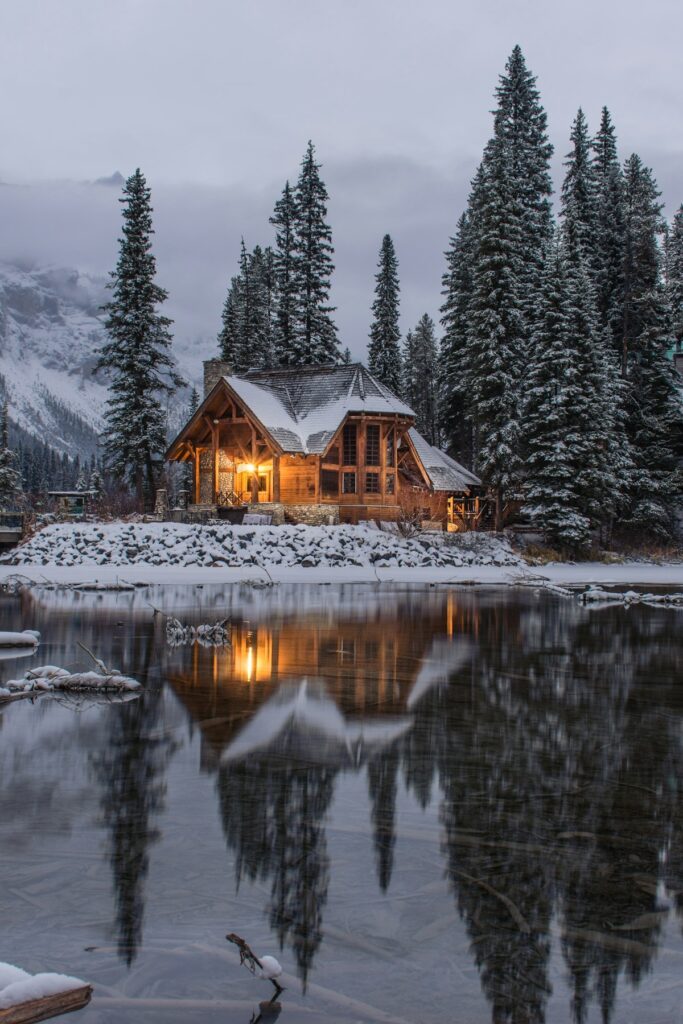
The travel landscape has undergone a fundamental shift in recent years. Where hotels once reigned supreme as the default accommodation choice, vacation rentals—particularly cabins—have surged in popularity, capturing the imagination of travelers seeking something beyond the standard room-and-lobby experience. This isn’t merely a trend driven by platforms like Airbnb and VRBO making rentals more accessible. It represents a deeper change in what travelers value: privacy, authenticity, space, and the freedom to craft their own experiences.
Understanding the differences between cabins and hotels helps you make informed decisions about where to stay on your next vacation. Both options have their place, and the best choice depends on your specific needs, travel style, and preferences. This comprehensive comparison examines every aspect of the cabin versus hotel debate, helping you determine which option is right for your next getaway.
Privacy and Seclusion
Perhaps the most significant advantage cabins offer over hotels is privacy. In a hotel, you share common spaces with hundreds or thousands of other guests. You hear footsteps in the hallway, conversations through thin walls, and doors slamming at all hours. Shared amenities like pools and fitness centers mean competing with other guests for space and equipment. Even in the most luxurious hotels, true privacy is elusive.
Cabins, by contrast, offer genuine seclusion. Your cabin is typically a standalone structure, with no shared walls, no hallway traffic, and no encounters with other guests unless you seek them out. This privacy extends to outdoor spaces—many cabins feature private decks, hot tubs, and fire pits that you don’t have to share with anyone. For romantic getaways, family bonding time, or simply escaping the social exhaustion of daily life, this level of privacy is invaluable.
The privacy advantage becomes even more pronounced in the post-pandemic era. Travelers have become more conscious of shared spaces and the health considerations they present. Cabins minimize these concerns, offering control over who enters your space and when. You won’t find housekeeping staff entering your room, and you won’t share elevator rides with strangers.
Of course, privacy has trade-offs. Hotels offer the option of social interaction when you want it—chatting with other guests in the lobby or bar, joining organized activities, or simply enjoying the energy of a busy resort. Cabins can feel isolated for travelers who enjoy meeting new people during their vacations. This isolation can also mean limited access to help if problems arise, though responsive hosts and property managers have largely addressed this concern.
Space and Comfort
Space is another area where cabins dramatically outperform hotels. The average hotel room measures between 300 and 400 square feet, barely enough for a bed, a small desk, and a tiny bathroom. Families often squeeze into rooms with two queen beds, with little floor space for luggage or moving around. Suites exist, but they come at premium prices.
Cabins, even modest ones, typically offer significantly more space. A one-bedroom cabin might include a separate living area, full kitchen, dining space, bathroom, and bedroom, totaling 800 to 1,200 square feet. Larger cabins can exceed 3,000 square feet, with multiple bedrooms, game rooms, and expansive outdoor spaces.
This extra space transforms the vacation experience. In a hotel room, everyone occupies the same small area, making it difficult for one person to sleep while another reads or watches TV. In a cabin, family members can spread out, pursuing different activities while remaining under the same roof. Early risers can enjoy coffee on the deck without disturbing those who want to sleep in. Light sleepers can retreat to a quiet bedroom while others play games in the living room.
The extra space also affects the type of vacation you can have. Hotel rooms work well for vacations where you spend minimal time in your room, using it primarily for sleeping between activities. But many travelers want their accommodation to be part of the experience—a place to relax, cook meals, play games, and simply enjoy being together. Cabins excel at this, turning accommodation from a necessity into a highlight.
Kitchen Facilities and Dining Options
The availability of a full kitchen fundamentally changes the economics and experience of vacation. Hotels typically offer at most a mini-fridge and coffee maker, requiring guests to eat every meal at restaurants or order room service. For a week-long family vacation, restaurant costs can easily exceed the cost of the hotel room itself.
Cabins almost universally include full kitchens with refrigerators, stoves, ovens, microwaves, and often amenities like grills. This allows guests to prepare their own meals, saving substantial money and providing dietary control that restaurants cannot match. For families with children, the ability to prepare familiar foods can be the difference between a smooth vacation and daily struggles over meals.
Beyond cost savings, kitchen facilities provide flexibility. You can eat breakfast in your pajamas without venturing to a restaurant. You can prepare picnic lunches to take on hikes. You can accommodate dietary restrictions without the stress of explaining needs to restaurant staff. You can stock your preferred snacks and beverages, avoiding overpriced hotel minibars or inconvenient store runs.
The kitchen also creates opportunities for memorable experiences. Cooking together can be a vacation activity in itself, with family members collaborating on meals in a way that hotel microwaves don’t allow. Local ingredients from farmers markets or specialty stores can be incorporated into meals, connecting you more deeply with your destination.
Of course, some travelers prefer not to cook on vacation, viewing meal preparation as work they’re paying to escape. For these travelers, the hotel model—where every meal is someone else’s responsibility—may be preferable. Even cabin enthusiasts typically eat some meals at restaurants, but the option to cook when desired provides a flexibility that hotels cannot match.
Value and Cost Considerations
Comparing cabin and hotel costs requires looking beyond nightly rates. At first glance, hotel rooms often appear less expensive than cabin rentals. A nice hotel room might cost $150 per night, while a comparable cabin costs $200. But this simple comparison misses crucial factors.
Per-Person Costs: A family of four might need two hotel rooms or a suite to have adequate space, potentially costing $300 or more per night. A cabin with two bedrooms might cost the same $200 while providing more space and privacy. For larger groups, the value proposition becomes even more favorable for cabins.
Meal Costs: A family spending $100 per day on restaurant meals (a conservative estimate) adds $700 to a week-long hotel stay. A cabin with kitchen facilities might reduce food costs to $300 for the week (groceries plus a few restaurant meals), saving $400.
Amenities Value: A cabin with a hot tub, game room, and outdoor space provides entertainment value that would cost extra at many hotels or resorts. Movie nights in a cabin with a smart TV cost nothing; hotel movie rentals can cost $20 each.
Hidden Fees: Hotels often charge resort fees, parking fees, and WiFi fees that aren’t included in advertised rates. Cabin rentals typically include cleaning fees and service fees in their total pricing, making comparison easier.
That said, cabins aren’t always the better value. For solo travelers or couples planning short stays with little time spent in the room, a hotel might be more cost-effective. Hotels also sometimes offer last-minute deals that cabins rarely match, and loyalty programs can provide value that cabins cannot.
Location and Setting
The settings of cabins and hotels represent fundamentally different relationships with place. Hotels cluster in commercial areas—downtown districts, near airports, along highways—chosen for accessibility rather than natural beauty. Even resort hotels in scenic locations typically occupy large developed parcels with manicured grounds, separating guests from the natural environment.
Cabins, by contrast, often sit in locations chosen specifically for their natural appeal—forests, mountains, lakesides, and other scenic settings. The cabin experience is intimately connected to place; you’re not just near nature, you’re immersed in it. Waking up to birdsong, watching deer pass through your property, or falling asleep to the sound of rain on a metal roof creates a connection to the natural world that hotels cannot replicate.
This setting difference affects the types of experiences available. Hotel guests typically need to travel to attractions, whether that means driving to hiking trails or taking shuttles to beaches. Cabin guests often have nature experiences immediately available—a trail that starts at the property line, a lake accessible from the dock, or wildlife viewing from the deck.
However, hotels offer advantages in certain settings. Urban vacations are better served by hotels in walkable neighborhoods with access to restaurants, museums, and nightlife. Remote cabins can feel isolating for travelers who want to explore cities or who need proximity to specific attractions. The best choice depends entirely on the type of vacation you’re planning.
Services and Amenities
Hotels excel at services. Daily housekeeping, concierge assistance, room service, and on-site staff represent conveniences that cabins generally cannot match. For travelers who value being cared for, who don’t want to make beds or wash dishes, hotels provide an experience that cabins cannot.
Cabins, conversely, require more self-sufficiency. You’ll make your own beds, wash your own dishes, and solve your own problems. If something breaks, you’ll need to contact the host and potentially wait for resolution rather than having maintenance staff arrive within minutes.
But cabins offer amenities that hotels cannot. Full kitchens have already been discussed, but also consider private hot tubs (not shared with strangers), outdoor fire pits, game rooms, and the simple pleasure of a private space where you can let your guard down completely. Many cabins now include luxury amenities once exclusive to high-end resorts—infinity pools, home theaters, wine cellars, and professional-grade outdoor grills.
The service equation also works both ways. While hotels offer more services, they also impose more rules and restrictions. Check-out times are strictly enforced. Noise restrictions limit evening activities. Common areas have hours of operation. Cabins give you the freedom to live by your own schedule—sleep late, cook breakfast at noon, stay up talking around the fire pit without disturbing neighbors in adjacent rooms.
Family and Group Travel
For families and groups, the cabin advantage is overwhelming. Hotels force difficult choices: squeeze everyone into a single room, pay for multiple rooms, or book expensive suites. Even suites often lack the full kitchens and separate sleeping spaces that groups need.
Cabins designed for groups can accommodate ten, twenty, or even more people under one roof while providing private bedrooms, communal gathering spaces, and full kitchens. The cost per person for a large group cabin can be remarkably low, often less than half what equivalent hotel rooms would cost.
Beyond logistics, cabins provide better environments for group bonding. Shared meals around a dining table, games in the living room, conversations around a fire pit—these experiences strengthen relationships in ways that separate hotel rooms cannot. The ability to gather everyone in a single space without renting a conference room or meeting area creates natural opportunities for connection.
For multi-generational travel, cabins offer particular advantages. Grandparents can have a quiet bedroom while children and grandchildren occupy other spaces. Common areas allow generations to mix or separate as desired. Kitchens allow for the preparation of different foods for different dietary needs. The flexibility of cabin layouts accommodates the diverse needs that multi-generational groups present.
Conclusion: Making Your Choice
The cabin versus hotel debate isn’t about one option being universally superior. It’s about matching your accommodation to your needs, preferences, and the type of experience you’re seeking. Hotels excel at urban exploration, short stays, and providing services that let you truly relax without responsibilities. Cabins excel at nature immersion, extended stays, group gatherings, and providing a home-away-from-home experience.
For 2024 and beyond, the trend toward cabins reflects a shift in what travelers value. Privacy, space, natural settings, and the freedom to create your own experience are increasingly important to modern travelers. If you’ve never considered a cabin stay, there’s never been a better time to explore what this accommodation type offers.
Find your perfect cabin at Bloc Cabin, where curated listings and destination guides help you discover the ideal property for your next getaway.
Compare cabin options for your next trip and discover the difference!


Leave a Reply