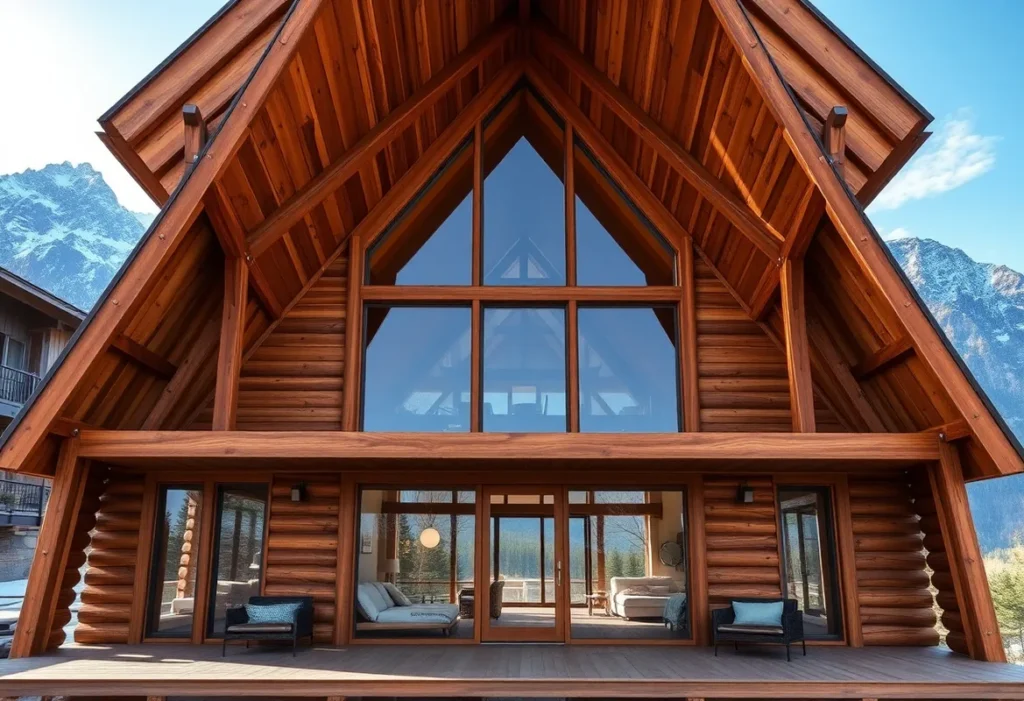
A-Frame Cabins are a distinctive architectural style characterized by their steeply pitched roofs, serving as a foundational element of mountain living. This construction style typically requires 40% less energy for heating and cooling compared to traditional cabins, making it an efficient choice for remote locations.
Table of Contents
A-Frame Cabins offer a unique design that maximizes space and natural light, making them energy-efficient. Their steep roofs prevent snow accumulation, while the triangular shape enhances structural stability. Ideal for mountainous terrains, they provide a cozy, open interior that blends seamlessly with nature, perfect for retreats or vacation homes.
Understanding the Unique Design of A-Frame Cabins
💡 Expert Notes & Insights
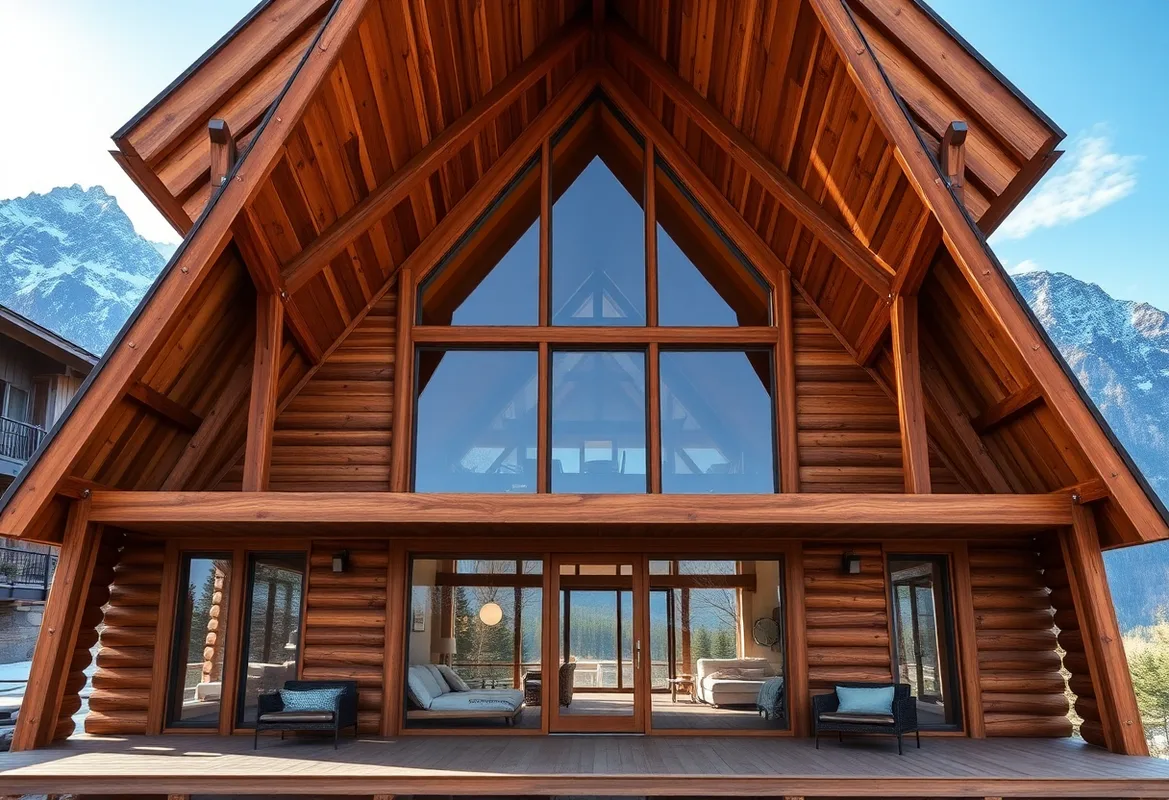
- Energy Efficiency of A-Frame Design: The steeply pitched roof of A-Frame cabins allows for effective rain and snow runoff, reducing the risk of structural damage and maintenance costs. Additionally, the design promotes natural ventilation, which can lower heating and cooling costs significantly. A well-insulated A-Frame can achieve an R-value of R-30 or higher, making it highly energy-efficient compared to traditional cabin designs.
- Customization Impact on Resale Value: Many potential buyers overlook the importance of customization options in A-Frame cabins. Tailoring design features such as large windows for natural light, open floor plans, and sustainable materials can enhance the aesthetic appeal and functionality of the cabin. According to real estate trends, customized properties often have higher resale values, making thoughtful design choices a strategic investment for future returns.
A-Frame cabins have a unique triangular shape. This design helps snow and rain run off easily. It also makes the inside feel bigger than it is. The steep roofline is not just for looks; it adds strength. This structure is great for places with tough weather. A-Frames need less material for walls and roofs than regular cabins, which can lower building costs.
Outside materials can change. Wood, metal, and glass are popular choices. Wood gives warmth and a natural look. Metal is strong and has a modern feel. Glass offers great views and lets in light. Think about the local weather when picking materials. For example, metal may work better in wet areas to avoid rot.
You can customize the inside to fit your needs. Open floor plans are common and help use space well. Lofts and big windows can enhance living conditions. Adding built-in storage can improve the cabin’s functionality. A-Frame structures mix style, function, and comfort. They are a great choice for mountain homes.
Exploring Cost Factors for A-Frame Structures
Cost varies significantly for A-Frame cabins. Several factors influence the final price. These include materials, design complexity, and location.
Wood is a popular choice for A-Frame cabins. It offers warmth and style. However, using metal panels can lower long-term maintenance costs. This trade-off can lead to higher initial expenses but lower upkeep. Consider using treated wood to enhance durability.
Considering design options is crucial. Pre-designed kits save time and can be more budget-friendly. Custom designs allow for unique features but may increase costs significantly. You can also mix and match elements from kits to create a personalized look A-Frame Cabin Guide: 5 Tips for Building….
Location also plays a vital role. Building in remote areas can increase transport and labor expenses. Meanwhile, a location with easier access can keep costs lower. Research local building codes that can affect your budget.
Another factor is insulation. A higher R-value provides better energy efficiency. Insulating with R-30 or higher can add to the upfront cost but will save money on heating in the long run. Good insulation acts like a thermos, keeping warmth in during winter.
Always plan for additional expenses like permits and utilities. These can add substantial costs to your budget. Evaluating these factors will help you create a realistic budget for your A-Frame cabin. It’s wise to set aside 10% for unexpected costs, ensuring financial flexibility.
Sustainable Building Practices in A-Frame Cabin Construction
Sustainable building practices are key in A-Frame cabin building. Using local materials cuts transport emissions. This helps the local economy and lowers the cabin’s carbon footprint. Choosing materials from nearby reduces harm to the environment A-Frame Cabin Interior Design: 12 Breathtaking Ideas….
Engineered wood products, like laminated veneer lumber, are good choices. They use less wood and provide high strength. This choice balances durability and care for the environment. Always check for labels that ensure sustainability and responsible harvesting. Look for certifications like FSC (Forest Stewardship Council) to ensure ethical sourcing.
Another green option is modular construction. Prefab modules allow for quick on-site assembly. This method cuts waste and speeds up building. Look for companies that focus on eco-friendly materials. Many companies offer designs that fit your needs.
Choosing energy-efficient insulation is important. High R-value insulation, like spray foam, keeps the cabin warm in winter. It also keeps it cool in summer. This approach cuts energy use and lowers bills. Consider using recycled insulation for added sustainability. Also, think about installing energy-efficient windows to enhance insulation.
Water-saving practices can greatly boost sustainability. Rainwater harvesting systems help with resource use. They capture rain for outdoor use and support green living. Installing low-flow fixtures can further cut water use. Additionally, native landscaping can reduce the need for irrigation, saving even more water. Small changes can make a big difference.
Advantages and Disadvantages of A-Frame Designs
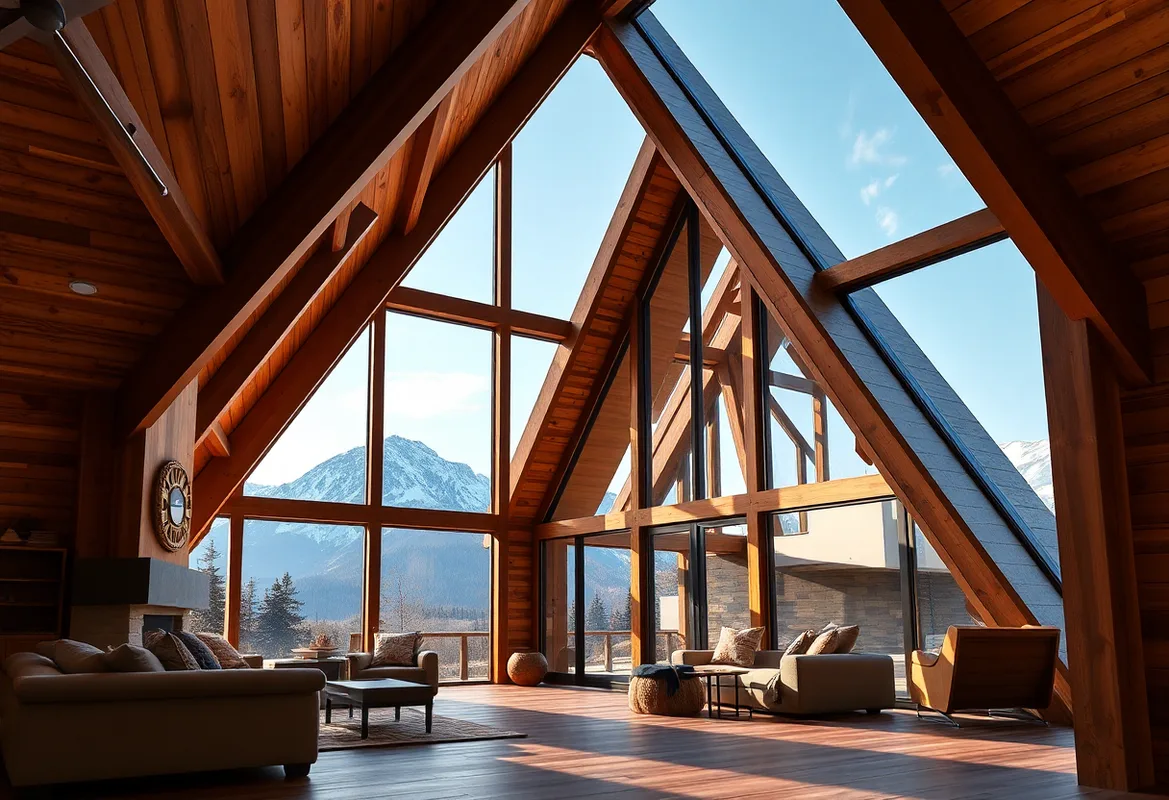
A-Frame cabins offer unique advantages. Their steep roofs shed snow and rain efficiently. This design minimizes weather-related damage. They also have a cozy, inviting appearance that blends well with nature.
Energy efficiency is another strong point. The triangular shape means less surface area for heat loss. Many designs allow for large windows, bringing in natural light and stunning views. This creates a bright, airy interior.
On the downside, interior space can be limited. The sloped walls reduce usable square footage. This can restrict furniture placement and storage options.
Another drawback is ventilation. A-Frame cabins may require additional systems to ensure proper airflow. This can add to initial costs and maintenance.
Compared to traditional cabins, A-Frame designs can be more affordable to build. Yet, they might not suit everyone’s style. A traditional log cabin offers more interior space but can be pricier and take longer to construct.
In summary, A-Frame cabins present a blend of benefits and challenges. They are great for those seeking unique features and a connection to the outdoors.
Key Features of Modern Frame Cabins
This section provides additional context and guidance related to A-Frame Cabins. For the best outcome, combine these insights with the core strategies outlined throughout this guide.
Every project is unique, so feel free to adapt the recommendations here to suit your specific needs, budget, and timeline.
What to Consider When Designing Your Cabin Home
Start with your location. The area around you will affect your design choices. Mountain areas may need steep roofs to handle snow. Lakeside spots can use large windows to maximize views. A well-placed cabin can give natural shade or sunlight, based on the season.
Choose materials carefully. Wood gives warmth and a natural look. It fits well with nature. Metal offers strength and a modern style, making it easier to care for. Each choice has trade-offs in care and how long it lasts. Think about local weather when picking materials, as it can affect performance.
Floor plans matter. Open layouts make spacious rooms and help airflow. Split designs give privacy, which is good for families. Think about how you will use each space before you finish your layout. Plan for storage to keep your cabin neat.
Consider energy efficiency. Insulation options like fiberglass or foam can help control temperature. This will save money on heating and cooling over time. Smart window placement can also boost energy efficiency by letting in natural light and cutting heat loss.
Customization is important. Features like decks, porches, or large windows improve your A-Frame cabin. Adjust these parts to fit your lifestyle and tastes for a unique space. Adding things like outdoor seating or fire pits can make a warm place for gatherings.
Durability and Safety in A-Frame Cabin Construction
A-Frame cabins are known for their strong structure. The triangular shape helps spread weight evenly. This design lowers the risk of collapse during heavy snow or high winds. It’s like a well-balanced triangle in nature – stable and sturdy.
Common materials for building include wood and metal. Wood gives warmth and a natural look. However, it can rot if not treated. Always opt for pressure-treated wood to extend its life. Metal is strong and resists weather, but it can get very hot or cold without good insulation. Adding insulation is as important as putting on a winter coat.
To ensure safety, follow building codes and rules. These standards help protect against fire risks and ensure stability. Good insulation is key for energy savings and comfort in any climate. Aim for an R-value of R-30 or higher for optimal efficiency.
Also, think about using treated lumber or engineered wood. These materials boost durability and help resist pests like termites. Investing in quality materials now can save on repairs later. Be sure to check local regulations regarding foundation types, as proper support is crucial for safety.
Options for Customizing Your A-Frame Cabin
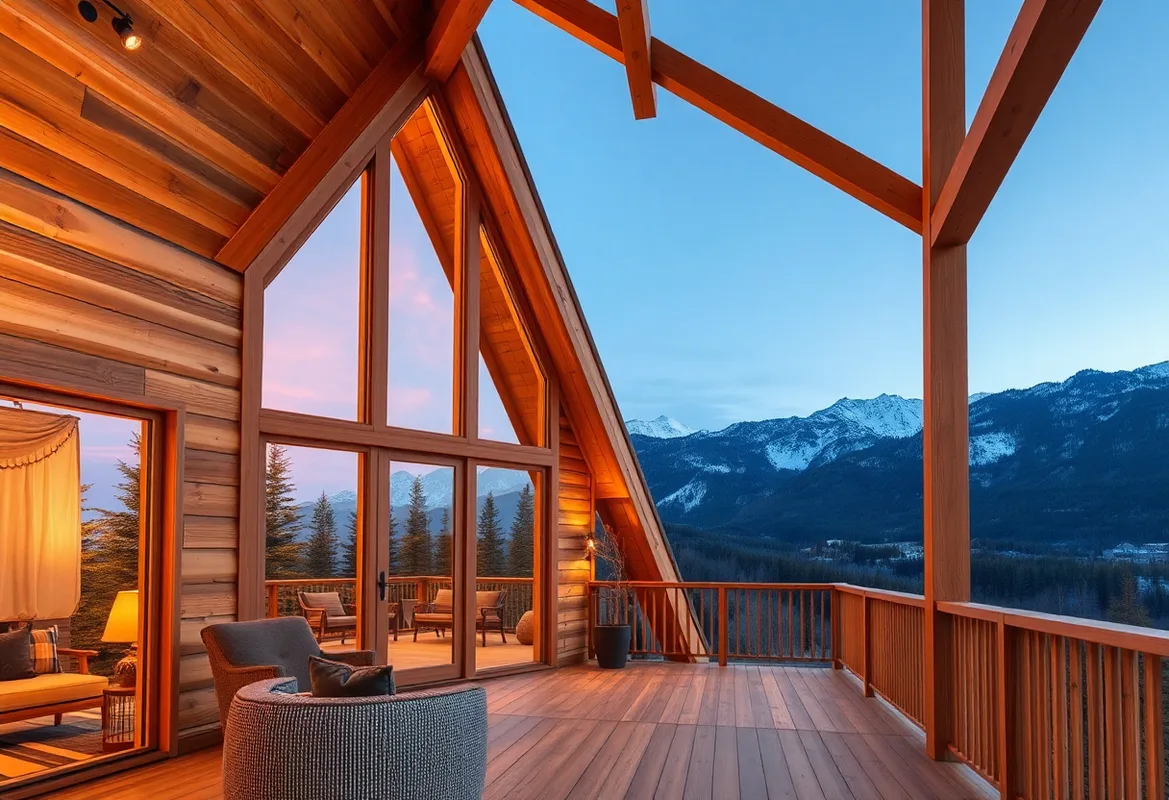
Customizing your A-Frame cabin allows you to express yourself and improve function. Start with the layout. You can pick an open floor plan for space or create separate rooms for privacy. Consider how many guests you will host. This can guide your decisions.
Windows are crucial for aesthetics and light. Large windows boost views and natural light while making the space feel inviting. Smaller windows can give a cozier feel while saving energy and enhancing insulation. Think about the direction your cabin faces to maximize natural light.
Exterior finishes are another way to personalize your cabin. Wood siding gives a rustic charm, while metal cladding offers a modern look. Each choice has its own upkeep needs and durability. Some finishes can withstand harsh weather better than others.
Finally, think about outdoor space. Adding a deck or porch creates an inviting area for family gatherings. It brings living areas outside and increases your enjoyment of nature. Consider including an outdoor kitchen for summer barbecues.
Work with a design team to explore these options. They can help align your ideas with practical solutions. Customizing your A-Frame cabin can create a home that truly feels like yours.
The Future of Cabin Living: Trends and Innovations
The cabin living scene is changing fast. New designs focus on being green and saving energy. A-Frame cabins lead this trend. They use modern materials that boost strength and energy efficiency, making them ideal for today’s eco-conscious buyers.
Modular building is becoming popular. These prefabricated units are faster to build and often cheaper. They offer design flexibility and fit different interior layouts. Many builders now create A-Frame cabins using these modular concepts. This allows buyers to customize their homes easily.
Smart home tech is now common in A-Frame cabins. Owners can control heat, lights, and security with their smartphones. This adds convenience and can help save energy. Features like smart thermostats adjust temperatures based on weather and occupancy.
For materials, eco-friendly choices are growing. Recycled materials and sustainably sourced wood cut down on harm to the earth. Solar panels and energy-efficient windows are also great additions. These innovations push cabin living toward a better future.
Investing in A-Frame cabins means welcoming new ideas. The mix of modern design, tech, and green living will change how we enjoy cabin life. This way, these homes stay stylish and useful for years. Choosing the right features enhances both comfort and sustainability.
Related Reading
Expand your knowledge with these related guides:
Frequently Asked Questions
Q: What are A-Frame Cabins?
A: A-Frame Cabins are homes with a steep, triangular roof. They look like an “A”.
Q: Why are they popular?
A: They are cozy and fit well in nature. Their shape helps with snow and rain.
Q: How do they stay warm?
A: The steep roof helps heat rise. This keeps the inside warm.
Q: What is R-value?
A: R-value measures insulation. Think of it like a warm blanket for your cabin.
Q: What is thermal mass?
A: Thermal mass stores heat. It’s like a sponge soaking up warmth.
Q: What is chinking?
A: Chinking fills gaps between logs. It’s like caulk for your cabin.
Conclusion
In the world of mountain retreats, A-Frame cabins stand out as a timeless symbol of simplicity and elegance. Their unique design not only enhances the aesthetic appeal of any landscape but also provides a functional space that harmonizes with nature. As we’ve explored the benefits and possibilities of A-Frame living, it’s clear that these structures offer an ideal setting for relaxation and adventure, making them a perfect investment for those looking to embrace a mountain lifestyle.
Now is the time to turn your cabin dreams into reality! Whether you’re contemplating your own A-Frame project or have already embarked on this journey, I invite you to share your thoughts, plans, or experiences with the community. Together, let’s inspire one another to create these magnificent retreats that reconnect us with the great outdoors!
About the Author:
James Thornton is a seasoned specialist with a lifelong passion for mountain architecture and rustic home design. With decades of experience in log home construction, he is dedicated to helping people turn their wilderness dreams into durable, stunning realities.
Leave a Comment