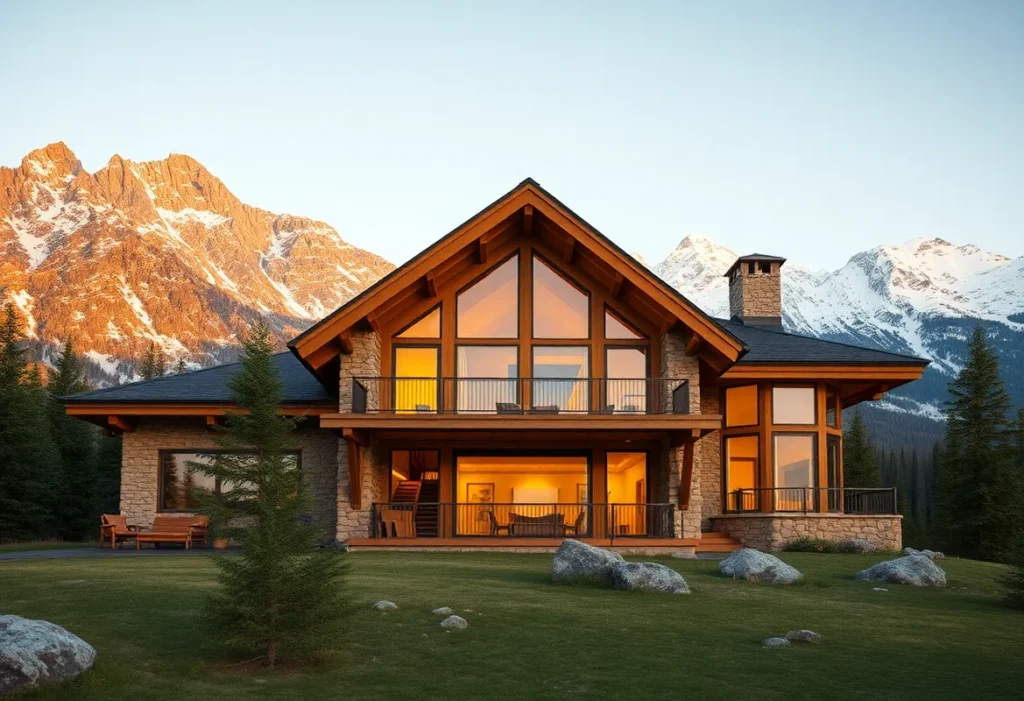
A mountain log cabin is a traditional structure built primarily from logs, serving as a foundational element of mountain living. This construction style typically lasts over 50 years, providing durability in harsh climates.
Table of Contents
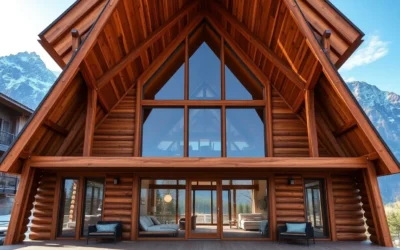
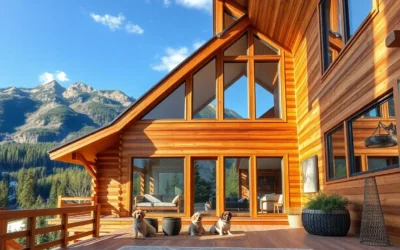
The best features of a mountain log cabin include natural wood aesthetics, excellent insulation, large windows for stunning views, open floor plans, and outdoor living spaces. These elements enhance comfort while blending seamlessly with the surrounding landscape, making them ideal for a serene mountain retreat.
Exploring Eco-Friendly Practices in Mountain Log Cabin Construction
Eco-friendly practices are key in building a mountain log cabin. Choose sustainable materials like reclaimed wood. This cuts waste and gives your retreat unique character.
💡 Expert Notes & Insights
- Site Preparation and Environmental Impact: Many individuals overlook the importance of thorough site preparation and environmental considerations when building a log cabin. Proper site preparation includes assessing soil stability, drainage, and local wildlife habitats. Neglecting these factors can lead to structural issues, increased costs, and potential legal challenges regarding land use. According to the U.S. Environmental Protection Agency, improper site management can lead to significant ecological disruption, affecting both the local ecosystem and the longevity of the cabin.
- Long-Term Energy Efficiency: While many focus on initial construction costs, long-term energy efficiency is often underestimated. The R-value of log walls, approximately 1.41 per inch, provides reasonable insulation, but additional measures such as energy-efficient windows and proper sealing can significantly enhance thermal performance. A study by the U.S. Department of Energy indicates that homes with optimized insulation and energy-efficient features can save up to 30% on heating and cooling costs annually, making these considerations critical for overall budget management and comfort.
Think about using straw bales or insulated panels for walls. Straw bales offer good insulation and are cost-effective. However, they may need more care than regular homes. Insulated panels are modern and save energy. They can cost more but help reduce energy bills over time.
Solar panels are a great addition. They provide renewable energy for your retreat. This reduces reliance on fossil fuels and lowers utility bills. Consider adding a solar water heater as well. It can supply hot water without increasing your energy use.
Using rainwater harvesting systems is another eco-friendly practice. Collecting rainwater for watering plants or other uses can minimize water waste. Outdoor areas also benefit from this, creating a green space around your cabin. Use permeable paving in driveways to enhance water absorption.
By focusing on eco-friendly materials and systems, you build a modern home that respects nature. This way, your mountain log cabin remains a green escape for years to come.
Why Choose a Log Cabin for Your Next Getaway?
Log cabins offer a unique blend of comfort and charm. They create a natural retreat in the mountains. You can enjoy the rustic look and feel of traditional log homes. This warmth is often missing in modern homes Cabin Interior Design Guide: 14 Modern Ideas….
Compared to modular log cabins, which can be quicker to assemble, traditional log cabins have a timeless quality. Modular options may save time, but they often lack the character of hand-crafted logs. Modern cabin homes provide sleek designs but may not offer the same cozy atmosphere. Each log carries a story, giving the cabin distinct personality.
Log cabins are also sturdy and built to last. They can withstand harsh weather, making them ideal for mountain living. Sealing techniques are important to prevent moisture from being trapped inside. Proper sealing ensures your cabin remains comfortable and free from rot or bugs. Regular inspections and maintenance can extend lifespan significantly.
Another great advantage is energy efficiency. Log walls have a good R-value, providing excellent insulation. This means lower heating costs in winter. The natural materials keep the cabin cool in summer. Consider adding energy-efficient windows to enhance this benefit.
Choosing a log cabin means embracing nature. You’ll feel connected to the environment. This getaway can be a perfect escape from city life, bringing peace and relaxation. A mountain log cabin is more than just a home; it’s a lifestyle choice. Engage with the surroundings through outdoor activities like hiking or fishing. Learn more about why more travelers are choosing cabins.
The Allure of Mountain Retreats: A Cabin Experience
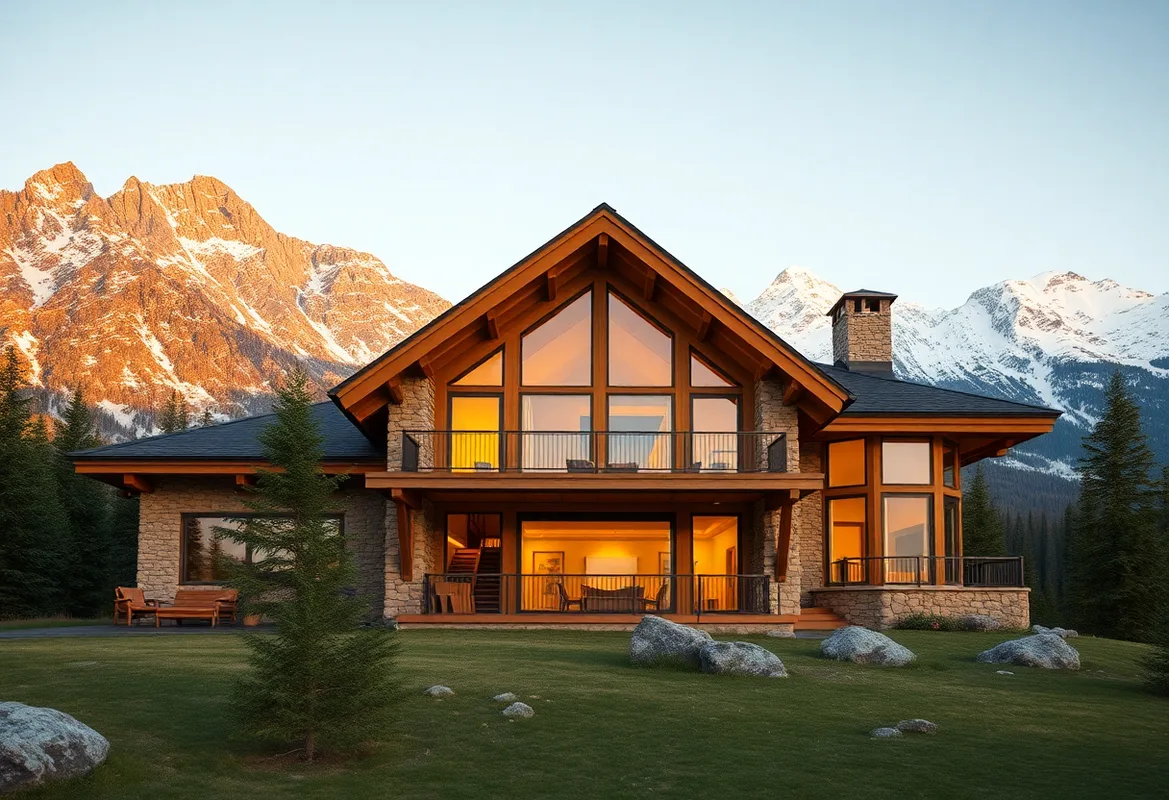
Mountain log cabins offer a special experience that connects you to nature. They sit among trees and hills. They provide a cozy place away from city life. Imagine waking up to birds singing and the smell of pine. This is what a mountain retreat is all about.
Traditional log homes have charm and history. They often use solid wood, which gives strength and warmth. These cabins need proper chinking to keep energy use low. Modular log cabins offer modern ease. They can be put together fast, which is great for busy people. Think about how the materials resist weather; this is key for lasting use Building A Mountain Cabin: Ideas And 13….
Modern cabin homes mix sleek design with rustic parts. Big windows show off stunning mountain views and bring the outdoors in. These homes can be both efficient and stylish, fitting many tastes. Adding energy-saving appliances can improve your stay and cut costs. No matter what you choose, a mountain log cabin offers a calm escape full of natural beauty. For those seeking the perfect getaway, consider exploring luxury cabin rentals that provide an unforgettable experience.
What to Consider When Renting a Cabin in Illinois
Renting a cabin in Illinois requires careful thought. First, consider the location. Popular spots include the Shawnee National Forest and the Wisconsin border. Each area offers its own unique experience, from hiking adventures to serene lake views. Research nearby attractions, such as parks or dining options. This can enhance your stay.
Next, think about the size of the cabin. Smaller cabins are cozy, perfect for a romantic getaway. Larger cabins can accommodate families or groups, providing more space for activities. Weigh the trade-offs between intimacy and comfort based on your needs. Consider how many people will stay and if you need extra sleeping arrangements.
Don’t forget about amenities. Some cabins come with modern features like hot tubs and Wi-Fi. Others maintain a rustic charm, emphasizing traditional log homes’ simplicity. Decide what matters most for your stay. A well-equipped kitchen can make meal prep easier and more enjoyable.
Lastly, check the rental terms. Ensure you understand the costs and any additional fees. Knowing the cancellation policy is essential. This can help avoid surprises later on. Also, look for reviews from previous renters. This can provide insight into the cabin’s condition and the owner’s reliability.
The Benefits of Hot Tubs in Your Cabin Stay
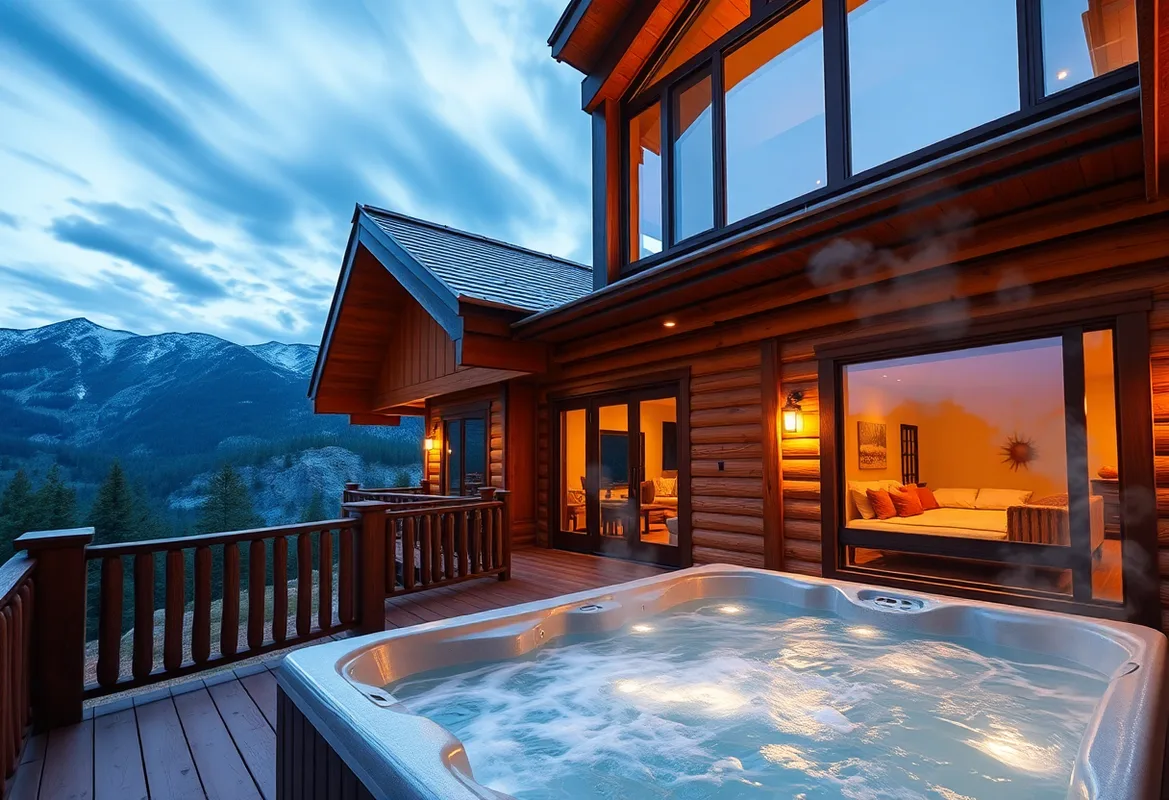
Hot tubs offer a unique way to enhance your mountain log cabin experience. They provide relaxation after a long day of adventure in the mountains. Soaking in warm water can soothe sore muscles and ease tension.
Imagine the contrast of cool mountain air against the warmth of a hot tub. This setup creates a perfect escape. You can enjoy stargazing while surrounded by nature’s beauty. It’s a great way to unwind after hiking or skiing.
Hot tubs also serve as social hubs. They encourage conversations among family and friends. This shared experience can strengthen bonds during your stay at traditional log homes or modern cabin homes.
Consider alternatives like portable inflatable hot tubs or community hot tubs at resorts. Inflatable versions are cheaper but may lack features and durability. Community options might be available, but they often lack privacy and comfort. Always check if the community hot tub is well-maintained.
Investing in a hot tub for your cabin can improve the overall value of your property. It adds a desirable amenity that appeals to renters. This investment can lead to higher rental income if you decide to share your cabin with others. A hot tub can also attract guests during winter months when they seek relaxation after skiing.
Lastly, consider adding a deck around the hot tub. This creates a more inviting space. Lighting it up with soft fairy lights adds charm and warmth to your evening soak.
Spectacular Views: The Best Locations for Cabin Rentals
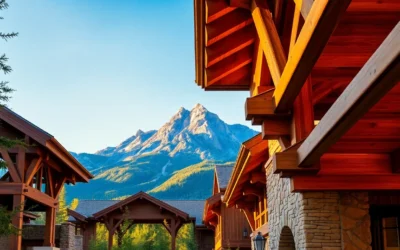
The Rocky Mountains are a prime spot for stunning views. Traditional log homes here blend beautifully with nature. Enjoy breathtaking sights of soaring peaks and lush valleys. This area offers many cozy cabins nestled among the trees. Look for cabins near hiking trails for easy access to adventure.
The Appalachian Mountains present a different charm. These mountains feature rolling hills and vibrant foliage. Modular log cabins here provide a unique experience with a rustic touch. You can enjoy peaceful mornings with views of fog rising over valleys. Consider visiting during fall for colorful leaves and crisp air.
For a modern cabin home experience, the Sierra Nevada is unmatched. This location boasts dramatic landscapes and clear lakes. Rental cabins often include large windows for spectacular views. You can also find cabins with spacious decks, perfect for soaking in the scenery. Check for cabins near ski resorts for winter fun.
Each location has its pros and cons. The Rockies offer adventure and ruggedness, while the Appalachians provide tranquility. The Sierra Nevada combines modern amenities with stunning natural beauty. Choose the spot that aligns with your vision of the perfect cabin getaway. Prioritize features like proximity to water or mountain access for an unforgettable experience. For more ideas, explore the best cabin destinations to find your ideal retreat.
Mountain Log Cabin: A Blend of Nature and Comfort
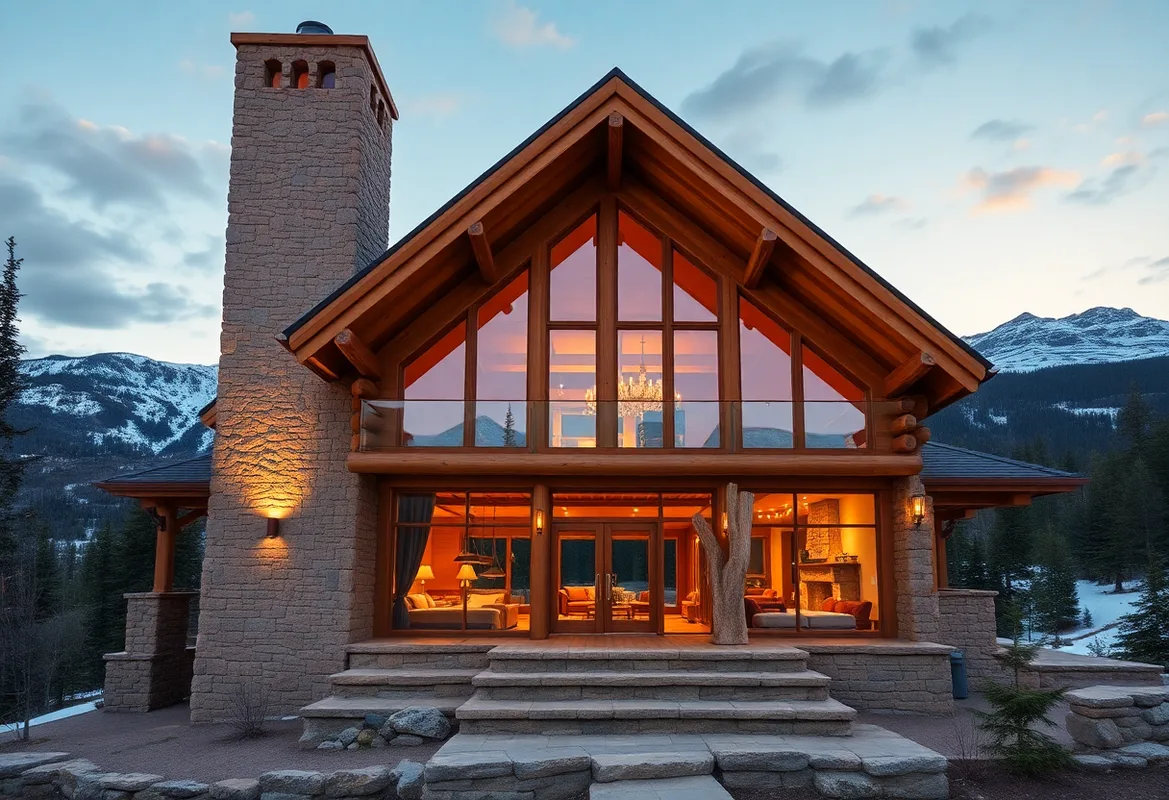
A mountain log cabin offers a unique mix of nature and comfort. The use of natural materials creates a cozy atmosphere. Logs provide insulation, making it warm in winter and cool in summer.
Traditional log homes evoke rustic charm. They blend seamlessly with the landscape. However, they may require more maintenance, such as regular chinking to seal gaps between them. On the other hand, modern cabin homes come with updated amenities. These options often feature open floor plans and large windows for stunning views of the mountains.
Modular log cabins are another choice. They are built in sections, making construction faster and more efficient. This option may save time and labor costs. However, some may miss the authentic feel of traditional methods. You can also customize these homes to fit your family’s needs.
Ultimately, each choice has its trade-offs. Consider what matters most to you: rustic charm, modern comforts, or efficient construction. A mountain log cabin can provide a perfect retreat, surrounded by nature’s beauty. Think about your lifestyle and select the features that will enhance your experience.
Navigating Your Options for Cabin Rentals in National Parks
Finding the perfect cabin rental in national parks can be exciting. You have several options to consider. Traditional log homes often provide a rustic experience. They feature solid wood construction and cozy interiors. Their charm attracts many nature lovers.
Modular log cabins are another popular choice. They offer a modern twist on the classic design. These cabins can be assembled quickly and often come with updated amenities. This makes them ideal for families seeking comfort while enjoying the great outdoors.
Consider your needs when selecting a cabin. Traditional log homes may require more maintenance. Modular options can provide a hassle-free stay. Both choices can offer stunning views and a serene escape. Look for cabins that fit your size requirements, ranging from small getaways to larger family retreats.
Rental costs vary widely. Prices depend on the cabin’s location and amenities. Research your options to find the best fit for your budget and preferences. Enjoy your stay in a mountain log cabin surrounded by nature.
The Connection Between Forest Environments and Cabin Living
A mountain log cabin thrives in a forest. The trees around it provide shade and privacy. They also create a natural backdrop. Living among nature makes a peaceful retreat from daily life.
Forest settings offer many benefits for cabin living. First, they improve air quality. Trees filter pollutants and make the air clean. This is valuable for families seeking a healthier life. Fresh air promotes better sleep and relaxation, enhancing your overall well-being.
Also, forest environments connect you to wildlife. You might see deer, birds, or a curious fox. This interaction with nature makes the cabin experience more fulfilling. Consider adding bird feeders to attract more species and enhance your viewing pleasure.
However, choosing a spot in a dense forest may bring challenges. Thick trees can limit sunlight. This affects heating and lighting in winter. A more open area allows for sunlight and outdoor spaces. Plan for landscaping that balances trees and open areas for maximum benefits.
Overall, the connection between forest environments and cabin living is strong. It shapes the cabin’s design, energy use, and atmosphere. Embracing this bond enhances your mountain log cabin experience. Careful planning ensures you enjoy the beauty of the forest while maintaining comfort and practical living.
Related Reading
Expand your knowledge with these related guides:
- Cabin Rental Guide How To Rent A Cabin Cabin Vacation Tips Cabin Rental Advice
- Plan Cabin Getaway Cabin Vacation Planning Cabin Trip Guide How To Book Cabin
- 10 Best Cabin Destinations In North America For 2024
- The Ultimate Guide To Cabin Rentals Everything You Need To Know
Frequently Asked Questions
Q: What is a mountain log cabin?
A: A mountain log cabin is a small house made from logs. It is often found in the mountains.
Q: What are the benefits of living in a mountain log cabin?
A: Living in a mountain log cabin provides peace and beautiful views. It connects you to nature.
Q: How is a mountain log cabin built?
A: Builders use logs for walls and roofs. It’s like stacking blocks to create a strong home.
Q: What is R-value?
A: R-value measures how well a material insulates. Think of it like a warm blanket keeping you cozy.
Q: What is chinking?
A: Chinking fills gaps between logs. It’s like caulking a window to keep the cold out.
Q: How do you maintain a mountain log cabin?
A: Regular checks and treatments help keep the logs healthy. It’s like taking care of your skin.
Conclusion
Embracing the idea of a mountain log cabin is not just about constructing a dwelling; it’s about creating a sanctuary that resonates with nature and fosters a profound sense of peace. With their rustic charm and timeless appeal, these cabins are more than just homes-they are gateways to adventure, tranquility, and connection with the great outdoors. The journey toward building your dream cabin can lead to unforgettable memories and a cherished legacy for generations to come.
Now, I encourage you to take the next step! Whether you’re in the early stages of design or already have a cabin project underway, share your thoughts, plans, and experiences with our community. Your insights could inspire others to embark on their own mountain living journey. Let’s celebrate the spirit of mountain log cabins together!
About the Author:
James Thornton is a seasoned specialist with a lifelong passion for mountain architecture and rustic home design. With decades of experience in log home construction, he is dedicated to helping people turn their wilderness dreams into durable, stunning realities.
Leave a Comment