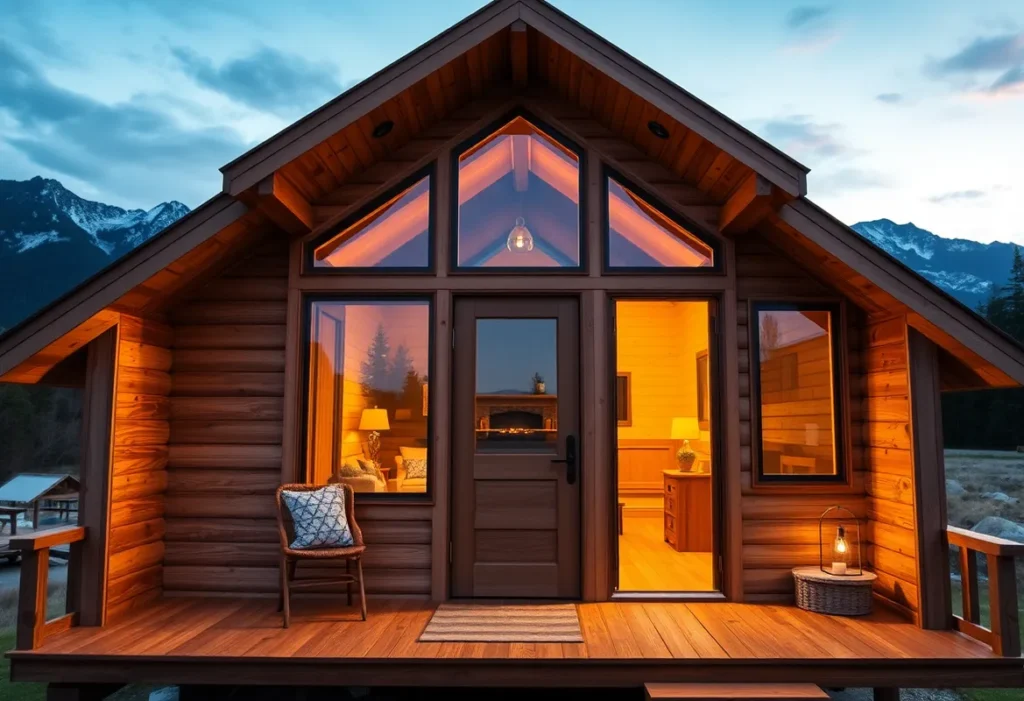
Tiny House Cabins are compact, efficient dwellings that serve as a foundational element of mountain living. A standard cabin of this type requires 40% less energy for heating and cooling compared to traditional homes.
Table of Contents
Tiny House Cabins offer affordability, minimal maintenance, and eco-friendliness. Their compact design promotes efficient use of space, encouraging a simpler lifestyle. Many feature sustainable materials, energy-efficient systems, and the ability to be off-grid, making them ideal for remote locations or as vacation homes.
Understanding the Appeal of Tiny House Cabins
Tiny House Cabins offer a mix of charm and modern design. These homes are usually between 100 and 400 square feet, making them perfect for those who want a simpler lifestyle. Their small size helps with space use and promotes minimalism.
💡 Expert Notes & Insights
- Impact of Zoning Regulations: Many prospective tiny house cabin owners underestimate the complexity of zoning regulations that can vary significantly by location. Understanding local laws is crucial as they dictate where tiny homes can be placed, often requiring specific permits or adherence to minimum size standards. Failing to comply can result in fines or the inability to occupy the cabin, ultimately affecting the feasibility of the investment.
- Long-term Sustainability Considerations: While many focus on initial building materials and costs, the long-term sustainability of tiny house cabins is often overlooked. Factors such as energy efficiency, water management systems, and the durability of materials significantly influence ongoing maintenance costs and environmental impact. For instance, choosing high-R-value insulation not only enhances comfort but can reduce heating and cooling costs by up to 50%, making it a critical consideration for long-term living.
The appeal goes beyond size. Many people find living close to nature hard to resist. These cabins are often in pretty spots like the north woods or lakesides. This link to the outdoors enhances the vacation experience, making them great second homes.
Cost is another factor. With prices from $20,000 to $80,000, they are cheaper than larger homes. Other options, like traditional houses or RVs, have trade-offs. Traditional homes offer more space but require more upkeep. RVs provide mobility but lack the cozy, permanent feel of a tiny cabin.
In the end, Tiny House Cabins attract those who care about sustainability and craft. They are designed for comfort while promoting a mindful lifestyle. Their unique floor plans use every square inch well, making them a smart choice for modern living.
Exploring Unique Designs for Modern Tiny Homes
New designs make modern tiny homes unique and useful. Many floor plans save space with smart layouts. For example, a lofted bedroom opens up the main area for living. This choice uses vertical space while keeping the footprint small. Consider adding a pull-out bed in the living area for extra guests.
Another option is the open-concept layout. This creates a smooth flow between the kitchen, dining, and living areas. It makes the space feel larger and more inviting. However, it gives less privacy than separate rooms. To balance this, install sliding doors or curtains for occasional privacy when needed Think Small With This Gigantic Guide to….
Think about the materials too. Using good wood and eco-friendly insulation improves both looks and strength. Investing in better parts stops future problems with HVAC and plumbing. Good design and material choices keep your tiny home beautiful and useful for years. Always prioritize durability and sustainability in your selections.
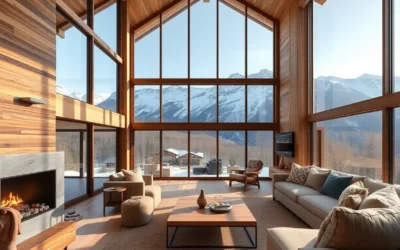
Custom-built tiny homes also have unique touches. Tailoring designs to your needs can create a cozy retreat. Adding large windows brings in natural light, making a warm atmosphere. Each choice shapes your tiny house cabin into a true reflection of your lifestyle. Consider adding a green roof or solar panels for an eco-friendly touch.
What Makes a Tiny Home Perfect for Vacation Getaways?
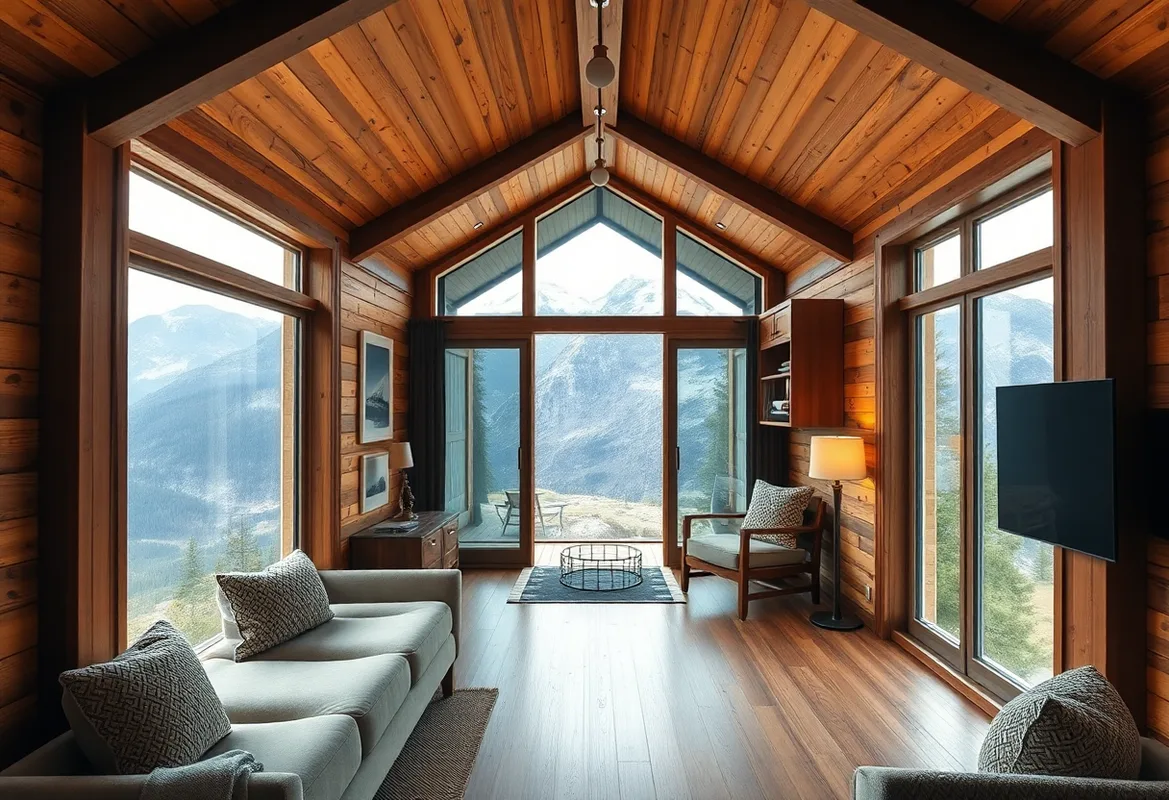
Tiny homes are great vacation rentals for many reasons. They offer a cozy and small space for easy living in nature. With an average size of 100 to 400 square feet, these cabins maximize comfort without feeling crowded.
The first benefit is their low cost. Compared to regular vacation homes, tiny homes cost much less. You can find modern models that are stylish and full of features. This makes them great for those wanting a getaway without spending too much. Think about financing options like tiny home loans to make buying easier.
Another key point is their flexibility. Tiny home designs can fit many needs. Some have one or two bedrooms, making them good for couples or small families. Others have open spaces, perfect for solo travelers seeking a quiet retreat. Each design has unique perks. Look for customizable options to make sure your tiny home fits your vacation needs 15 Best Tiny House Rentals on Airbnb….
Choosing an off-grid tiny home improves the vacation experience. These setups let you disconnect from daily life. You can enjoy nature without distractions. Imagine waking up in a cabin surrounded by trees and mountains, with no tech to interrupt your peace. Off-grid systems often have solar panels and rainwater collection, giving you a self-sufficient lifestyle.
Location is important, too. Tiny homes are often in nice areas like lakesides or mountains. This closeness to nature creates a special vibe. You can explore hiking trails, go fishing, or just enjoy the views. Check local attractions or outdoor activities before booking your stay to have the best time.
Finally, tiny homes support a sustainable lifestyle. Many use eco-friendly materials that lower your carbon footprint. This fits well with the trend of mindful living. You can enjoy your getaway while being kind to the earth. Embrace the minimalist lifestyle and think about how each item in your tiny home adds to your overall experience.
Floor Plans: A Variety of Options for Your Tiny House Cabin
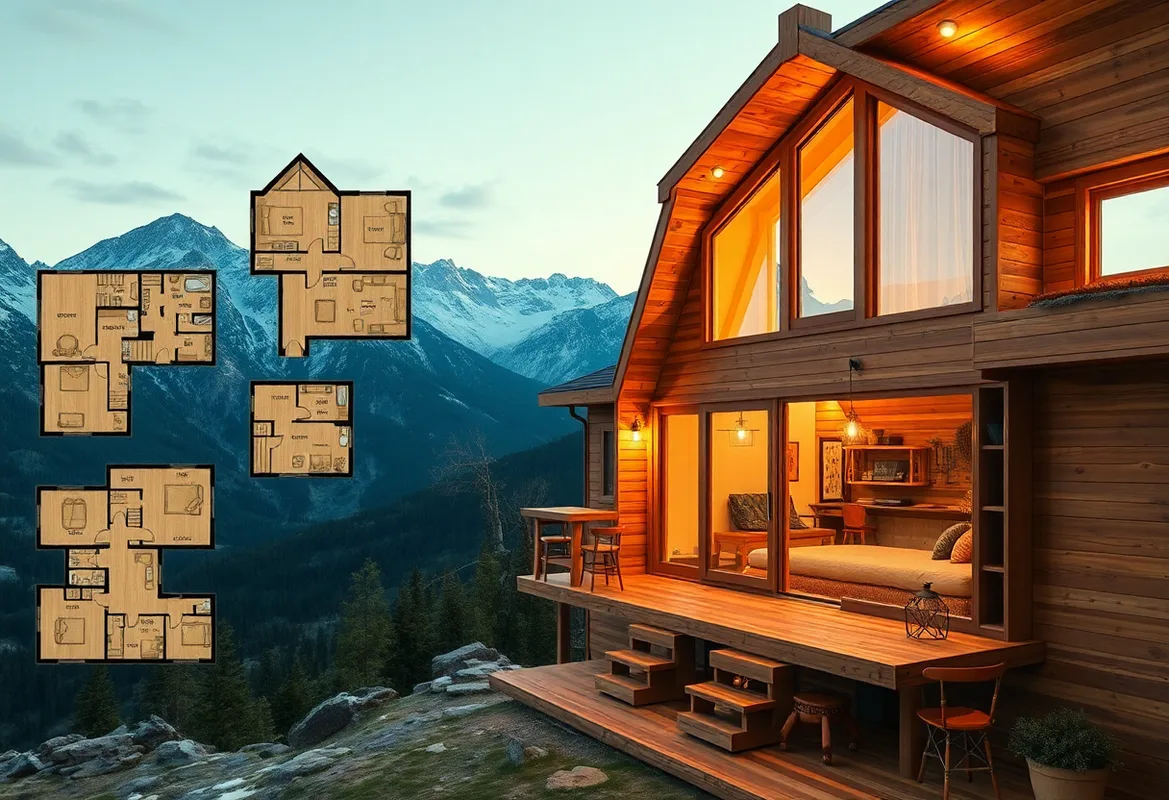
Tiny house cabins come with many unique floor plans. Each plan serves different needs and styles. Some designs include a loft, while others use a single-story layout.
A lofted floor plan maximizes vertical space and provides an extra bedroom above the living area. This layout is popular for its modern feel and efficient use of space. However, it may not suit everyone. Climbing a ladder every night can be challenging for some people, especially those with mobility issues.
On the other hand, a single-story design is more accessible and offers a spacious feel without stairs. This option can also include larger windows for natural light, making the cabin feel open and inviting. It’s perfect for those who prefer easy mobility or have children.
Consider how you plan to use the space. If you enjoy entertaining, an open layout might be best. For a cozy retreat, a compact plan with a small kitchen and bathroom works well. Think about storage needs too. Smart storage solutions can enhance your tiny house cabin experience.
Ultimately, each choice impacts your lifestyle and comfort. Visualize your daily routines to find the best fit.
The Charm of Off-Grid Living in Tiny Cabins
Off-grid living in tiny cabins is a special escape from daily life. It gives you a chance to reconnect with nature and simplify your life. Imagine waking up to birds instead of alarms. Each morning offers a fresh start surrounded by nature’s beauty.
These cabins are often in beautiful places. Mountain areas and lakesides provide great views. You can enjoy your morning coffee while surrounded by calm scenery. Sunsets and starry nights can become your daily entertainment. Consider building a porch for stargazing or morning yoga.
Choosing off-grid living means using sustainable energy sources. Solar panels and rainwater systems are common. This modern way to get energy can cut your utility costs a lot. It’s also wise to invest in energy-efficient appliances to maximize savings.
Some may want traditional homes with all the extras. However, those can come with more upkeep and costs. Tiny cabins need less care and offer a more affordable property choice. They also promote a minimalist lifestyle, freeing you from excess.
Living off-grid allows for custom floor plans. You can design a space that fits your needs well. This flexibility adds to the charm of tiny house cabins. They are a great choice for anyone wanting a simpler life. Embracing less can lead to more joy and fulfillment in your daily routine.
Features to Look for in a Tiny Home Property
This section provides additional context and guidance related to Tiny House Cabins. For the best outcome, combine these insights with the core strategies outlined throughout this guide.
Every project is unique, so feel free to adapt the recommendations here to suit your specific needs, budget, and timeline.
Gorgeous Tiny House Cabins: A Closer Look
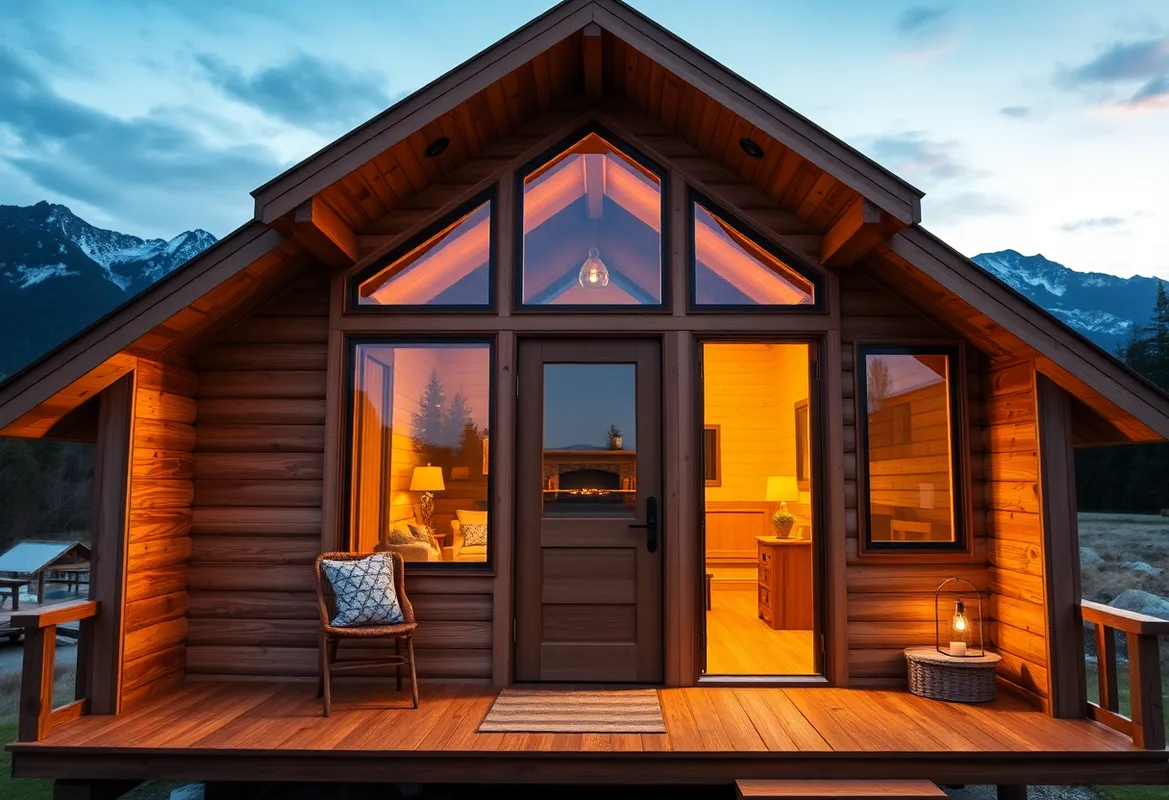
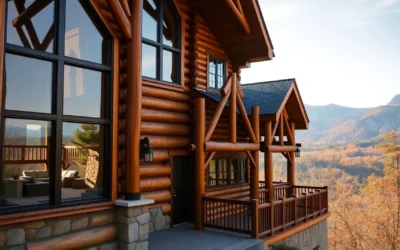
Gorgeous tiny house cabins mix charm with modern design. Many have unique floor plans that save space. Choose an open layout for a roomy feel, or pick a cozy loft for more privacy. Large windows can also enhance the feeling of space by letting in natural light and connecting you to the outdoors.
For materials, wood is a popular choice as it gives warmth and rustic appeal. Metal exteriors offer strength and a sleek look. Each option has its trade-offs; wood needs care, while metal can use more energy. Consider eco-friendly alternatives like reclaimed wood or bamboo, which are both stylish and sustainable.
Bedrooms in these homes can vary a lot. Some designs feature a separate sleeping area, while others use a fold-down bed or loft to save space. This allows homeowners to customize their tiny living experience. Multi-functional furniture can also add convenience, such as a sofa that converts to a bed for guests.
Prices range from $20,000 to $80,000 based on features and finishes. Investing in good insulation boosts comfort and cuts energy costs. The R-value of insulation can significantly affect heating and cooling needs. Overall, gorgeous tiny house cabins offer opportunities for stylish, green living, including affordable cabin options.
Choosing the Right Location for Your Tiny Cabin Adventure
Location is key for your tiny house cabin. Consider mountain areas for great views and peace. These places allow for outdoor fun like hiking and skiing. You can enjoy nature’s beauty and fresh air. Lakesides offer lovely scenery and water fun. Think about fishing, kayaking, or just relaxing by the water.
Rural areas give you privacy and space, perfect for those seeking quiet. You may find larger plots here, with room for gardens or outdoor fun. Imagine having fresh vegetables right outside your door. Urban spots, while less common for tiny cabins, offer easy access to services. This location is better for social ties and convenience, with shops nearby.
Check local zoning rules before you decide. Some areas have strict rules about tiny houses. Make sure your chosen spot allows for the design you want. Think about access too. A remote cabin might be nice but hard to reach. A good dirt road can make a big difference.
In the end, weigh the pros and cons of each spot. Think about things like climate, wildlife, and community. Your choice affects your tiny cabin experience. Consider what you value most in your adventure, like solitude, fun, or convenience.
Benefits of Embracing Minimalism in Tiny Home Living
Minimalism simplifies your life. A tiny home helps you keep only what matters. This leads to less stress and more joy in your surroundings. You focus on experiences rather than clutter.
Space optimization is a key benefit. Tiny homes, averaging 100 to 400 square feet, need clever design. Multi-functional furniture helps use every inch. For example, choose a sofa that converts into a bed. This makes your living area feel more spacious and useful.
Embracing minimalism also saves money. You spend less on items and upkeep. Fewer possessions mean lower utility costs. This financial freedom lets you invest in experiences instead of things. Consider a budget that favors travel over material goods.
Another benefit is sustainability. A minimalist lifestyle often leads to eco-friendly choices. Using fewer resources cuts your carbon footprint. Whether you choose wood, metal, or eco-friendly insulation, each choice helps the planet. Aim for high-quality materials that last longer.
Living minimally boosts creativity and uniqueness. You can personalize your tiny home to show your values. Every detail can be intentional, from layout to decor. This makes your property truly yours. Use colors and textures that inspire you.
Lastly, minimalism opens up chances for adventure. With fewer belongings, you can travel easily. Tiny homes become your vacation retreat, wherever you want to go. Explore new places and meet new people with ease.
Exploring Off-Grid Living Solutions for Tiny House Cabins
Off-grid living challenges you to be self-sufficient. Tiny house cabins are perfect for this lifestyle. They provide a unique blend of modern charm and practicality.
Solar power is a popular choice. It allows you to generate your own electricity. Solar panels can be placed on the roof, keeping the floor space clear. A typical system costs between $5,000 to $10,000. This investment pays off with lower utility bills.
Another option is wind power. Wind turbines can supply energy in areas with consistent wind. These devices are often more expensive, costing around $15,000 to $50,000. However, they can be more reliable in specific locations. The trade-off involves initial costs versus long-term savings.
Water is essential for off-grid living. Rainwater harvesting systems collect it from the roof. This method is cost-effective and eco-friendly. A basic setup can be built for under $1,000. It provides plenty for daily use and irrigation.
Alternatively, a well can be drilled on the property. Wells offer a consistent supply. However, drilling one can cost between $3,000 and $15,000. You’ll also need to maintain the pump system, adding to the expense.
For heating, consider a wood stove. It creates a cozy atmosphere in a tiny home cabin. Modern designs are efficient and take up little space. You can expect to spend around $1,000 for a quality unit. This solution uses renewable resources and adds charm to your living space.
Composting toilets are another essential. They eliminate the need for traditional plumbing. These toilets are compact and environmentally friendly. Installation costs are low, usually around $500. They save space and reduce water use.
Exploring off-grid living solutions enhances the tiny house cabin experience. Each option has its trade-offs. Choose what fits your lifestyle best to create a gorgeous and functional retreat.
Related Reading
Expand your knowledge with these related guides:
Frequently Asked Questions
Q: What is a Tiny House Cabin?
A: A Tiny House Cabin is a small, cozy home in nature.
Q: How do I keep my Tiny House Cabin warm?
A: You can use insulation. It works like a warm blanket for your cabin.
Q: What is R-value?
A: R-value measures how well materials keep heat in. Higher R-value means better insulation.
Q: How do I choose the right location?
A: Look for flat land with good drainage. Avoid areas that flood easily.
Q: What is thermal mass?
A: Thermal mass is like a sponge. It holds heat during the day and releases it at night.
Q: What is chinking?
A: Chinking fills gaps between logs. It keeps the cold air out, like sealing a window.
Q: Can I build my own Tiny House Cabin?
A: Yes, many people build their own. It takes time and effort, but it’s rewarding.
Q: How small can a Tiny House Cabin be?
A: Tiny Houses can be as small as 100 square feet.
Q: Are Tiny House Cabins allowed everywhere?
A: Check local laws. Some areas have rules about Tiny House Cabins.
Q: What are the benefits of living in a Tiny House Cabin?
A: They are affordable, eco-friendly, and promote a simpler lifestyle.
Q: Can I have running water in my Tiny House Cabin?
A: Yes, you can install plumbing for running water.
Conclusion
Tiny house cabins present an extraordinary opportunity to embrace a simpler, more intentional lifestyle while immersing yourself in nature’s beauty. These compact retreats not only reduce your carbon footprint but also encourage a deeper connection with the great outdoors. With clever designs and innovative building techniques, your tiny cabin can become a sanctuary that reflects your personal style and values.
I encourage you to take the leap into the world of tiny house cabins. Whether you’re dreaming of your own project or have already embarked on one, share your insights and experiences! Join the conversation, inspire others, and let’s build a community dedicated to the joys of mountain living. Your cabin dreams are just a decision away!
About the Author:
James Thornton is a seasoned specialist with a lifelong passion for mountain architecture and rustic home design. With decades of experience in log home construction, they are dedicated to helping people turn their wilderness dreams into durable, stunning realities.
Leave a Comment