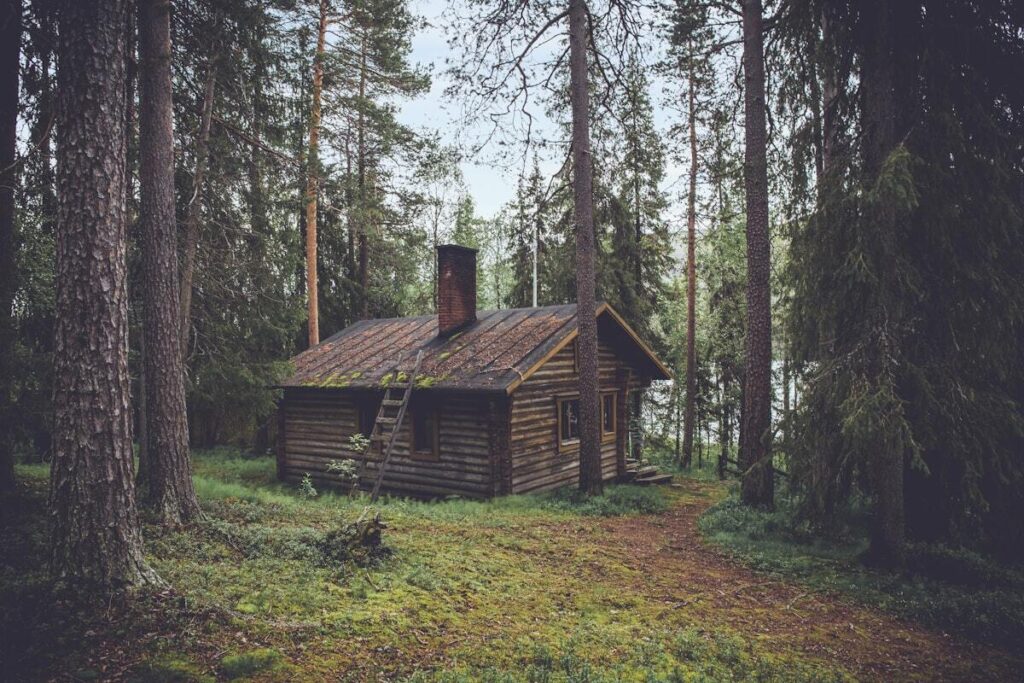
Planning a cabin getaway requires more thought and preparation than booking a standard hotel stay, but the rewards are immeasurably greater. A well-planned cabin vacation can provide the kind of restorative experience that stays with you long after you’ve returned home—the crackle of a wood-burning fireplace, the sight of stars unobscured by city lights, the simple pleasure of cooking breakfast with a mountain view. But achieving this ideal requires careful consideration of numerous factors, from choosing the right destination to packing appropriately for a stay in a property that may be miles from the nearest convenience store.
This comprehensive guide walks you through every step of planning a cabin getaway, drawing on years of experience and insider knowledge. Whether you’re a first-time cabin renter or a seasoned pro looking to refine your approach, you’ll find practical advice, checklists, and tips that will help ensure your next cabin vacation exceeds expectations.
Step 1: Determine Your Cabin Vacation Priorities
Before you begin searching for cabins, take time to consider what you actually want from your getaway. This foundational step often gets skipped in the excitement of browsing listings, but clarifying your priorities will save hours of wasted time and help you find a property that truly meets your needs.
Start by considering your travel party. A romantic couples’ retreat has vastly different requirements than a family reunion or a friends’ getaway. If you’re traveling with children, safety features like stair gates, outlet covers, and secure railings become important. If you’re traveling with elderly relatives, single-story properties or those with minimal stairs are preferable. For groups with varying interests, consider whether you need communal gathering spaces and separate areas for different activities.
Next, consider your preferred balance of activity and relaxation. Some travelers want a cabin that serves as a base for hiking, skiing, fishing, or other outdoor pursuits. Others prefer to spend their days reading, napping, and enjoying the scenery. Many cabins excel at one type of experience while being less suited for others—a remote cabin perfect for quiet reflection may be frustratingly far from trailheads and attractions.
Finally, be honest about your comfort requirements. Some travelers embrace rustic experiences with outhouses and solar power. Others want heated bathroom floors, high-speed internet, and smart TVs. There’s no right answer, but knowing where you fall on this spectrum will help narrow your search to appropriate properties.
Step 2: Choose the Right Destination
With your priorities clarified, you can begin evaluating destinations. Consider factors beyond just the scenery—accessibility, seasonal conditions, and available activities all affect your experience.
Accessibility matters more than many travelers realize. A cabin that requires a four-hour drive on unpaved mountain roads may sound adventurous, but will everyone in your group be comfortable with that journey? Consider whether you’ll need a four-wheel-drive vehicle, especially if you’re traveling in winter or during rainy seasons. Also consider proximity to emergency services, hospitals, and pharmacies—particularly important for travelers with health conditions or those traveling with young children.
Seasonal considerations vary by destination. A cabin that’s delightful in summer might be inaccessible or unpleasantly cold in winter. Research typical weather patterns for your travel dates, and ask property owners about conditions during your planned stay. Some cabins are only accessible by snowmobile in winter, while others may be uncomfortably warm in summer without air conditioning.
The activities available in the surrounding area should align with your group’s interests. Research hiking trails, fishing spots, ski resorts, and other attractions before committing to a destination. Many cabin rental listings include information about nearby activities, but independent research using travel websites, national park resources, and local tourism boards will provide a more complete picture.
Step 3: Search for the Perfect Cabin
Now comes the fun part: searching for cabins. Use multiple platforms to ensure you’re seeing all available options. Airbnb and VRBO dominate the market, but regional rental companies and individual property websites often have listings not found elsewhere. For certain destinations, specialized platforms like Glamping Hub or Recreation.gov (for cabins on public lands) offer unique options.
When evaluating listings, look beyond the photos. Read reviews carefully, paying attention to comments about cleanliness, accuracy of descriptions, and host responsiveness. Pay special attention to recent reviews, as properties can change over time. A cabin with perfect reviews from three years ago but recent complaints about maintenance should raise red flags.
Key Amenities to Consider:
Kitchen facilities: A full kitchen with refrigerator, stove, and oven allows for significant cost savings on meals and provides flexibility for dietary restrictions. Check what cookware, dishes, and utensils are provided.
Heating and cooling: Wood-burning fireplaces add ambiance but require effort. Central heating is more convenient. If traveling in summer, verify that air conditioning or adequate ventilation is available.
Bathroom facilities: Indoor plumbing is standard in most rentals, but some rustic properties have outhouses. Hot water availability, water pressure, and shower quality significantly affect comfort.
Internet and cell service: If you need to stay connected, verify WiFi quality and cell reception. Conversely, if you’re seeking a digital detox, embrace properties with limited connectivity.
Entertainment: Books, games, TVs, and outdoor activities like fire pits or hot tubs affect how you’ll spend your evenings and any downtime.
Contact hosts with questions before booking. Good hosts respond promptly and thoroughly, providing information about the property and surrounding area. If a host is slow to respond or vague in their answers, consider it a warning sign about how they might handle any issues during your stay.
Step 4: Budget for Your Cabin Stay
Cabin rentals can offer excellent value, but costs can also add up quickly if you’re not prepared. Create a comprehensive budget that includes:
Rental rate: Note that many platforms add service fees and cleaning fees that significantly increase the total cost. Always check the total price before booking.
Travel costs: Factor in gas, flights, and ground transportation. Remember that remote cabins may require a rental car with higher clearance or four-wheel drive.
Food and supplies: Plan to bring groceries, especially for remote cabins far from stores. Consider whether you’ll eat out during your stay and budget accordingly.
Activities: Hiking is free, but ski lift tickets, guided tours, and equipment rentals add up quickly.
Emergency fund: Set aside money for unexpected expenses like vehicle trouble, emergency supplies, or last-minute changes.
Also consider the value equation. A more expensive cabin with a full kitchen might cost less overall than a cheaper one that requires eating every meal at restaurants. Similarly, a cabin near attractions might save on gas and time compared to a more affordable but remote option.
Step 5: Pack Strategically for Cabin Life
Packing for a cabin stay differs from packing for a hotel vacation. Cabins often lack amenities you might take for granted elsewhere, and their remote locations mean you can’t easily run to the store for forgotten items.
Essential Items to Bring:
Food and beverages: Even if you plan to eat out, bring breakfast items, snacks, and drinks for your first day. Remote cabins may be far from grocery stores, and small local markets may have limited selection and high prices.
Bed linens and towels: Some cabins provide these; others don’t. Verify what’s included and bring appropriate items if needed.
Personal care items: Shampoo, conditioner, soap, and other toiletries may not be provided. Bring extras in case the cabin’s supplies are depleted.
First aid kit: Include bandages, pain relievers, antiseptic, and any personal medications. For remote cabins, consider adding emergency supplies like a flashlight, extra batteries, and a basic tool kit.
Appropriate clothing: Check the weather forecast and pack layers. Temperatures can vary significantly between day and night, especially in mountain locations. Bring sturdy shoes for walking on uneven terrain.
Entertainment: Books, games, downloaded movies, or music for evenings and downtime. Even cabins with WiFi may have unreliable connections for streaming.
For Winter Stays:
- Warm layers including hats, gloves, and scarves
- Slip-resistant boots for walking on ice and snow
- Hand and foot warmers for outdoor activities
- Moisturizer for dry, heated air
For Summer Stays:
- Sunscreen and insect repellent
- Swimming gear if there’s water access
- Light layers for cool evenings
- Rain jacket for afternoon thunderstorms
Step 6: Plan Your Itinerary (But Stay Flexible)
Having a rough itinerary ensures you make the most of your cabin getaway, but over-scheduling can defeat the purpose of a relaxing vacation. Strike a balance by planning a few key activities while leaving plenty of unstructured time.
Research your destination before arrival. Identify can’t-miss attractions, make reservations for popular restaurants or activities, and note operating hours for any facilities you might need. But also identify backup options in case weather or other factors disrupt your plans.
For active vacations, group activities by location to minimize driving time. Plan strenuous activities for cooler parts of the day. Build in rest time to prevent exhaustion.
For relaxation-focused trips, resist the urge to fill every hour. Some of the best cabin moments happen spontaneously—a sudden wildlife sighting, a perfect sunset, or the discovery of a hidden trail. Leave space for these experiences.
Step 7: Prepare for Check-In and Arrival
The hours before cabin arrival deserve attention. Poor preparation can result in arriving after dark at a property you can’t find, hungry and frustrated.
Communicate with your host about arrival procedures. Get detailed directions—GPS often fails for remote locations. Confirm check-in procedures, especially for self-check-in cabins where you’ll need key codes or lockbox information.
Plan to arrive during daylight hours when possible. Finding a cabin in daylight is challenging enough; in darkness, it can be nearly impossible. Daylight arrival also allows you to inspect the property, familiarize yourself with amenities, and address any issues before the host becomes unavailable.
Stock up on groceries and supplies before heading to the cabin. Once you’ve arrived at a remote location, venturing out for forgotten items may mean a lengthy drive. Bring everything you need for at least your first full day.
Step 8: Be a Responsible Cabin Guest
Treating your rental with care and respect isn’t just about being a good person—it affects reviews, host relationships, and the overall cabin rental ecosystem.
House Rules: Read and follow house rules carefully. These often address important issues like trash disposal, fire safety, and noise restrictions. Many cabins are in residential areas where excessive noise disturbs neighbors.
Resource Conservation: Many cabins rely on well water and septic systems that can’t handle excessive use. Follow guidance about what can be flushed and how much water is appropriate to use.
Checkout: Leave the property in good condition. Most cabins charge cleaning fees, but guests are still expected to perform basic tasks like washing dishes, stripping beds, and taking out trash. Check the checkout instructions and complete all required tasks.
Report Issues: Report any issues to the host promptly. Accidents happen, and most hosts are understanding if informed immediately. Hiding damage can result in poor reviews and additional charges.
Conclusion: Your Perfect Cabin Getaway Awaits
Planning a cabin getaway requires more effort than booking a standard hotel, but the rewards—a deeper connection with nature, quality time with loved ones, and experiences that create lasting memories—make every minute of preparation worthwhile. By following this guide and approaching your cabin vacation with thoughtfulness and flexibility, you’ll be well-positioned for an unforgettable escape.
Start planning your next cabin adventure today at Bloc Cabin, where you’ll find curated listings, destination guides, and everything you need to make your cabin dreams a reality.
Ready to start planning? Browse our cabin rentals and find your perfect getaway!



Leave a Reply