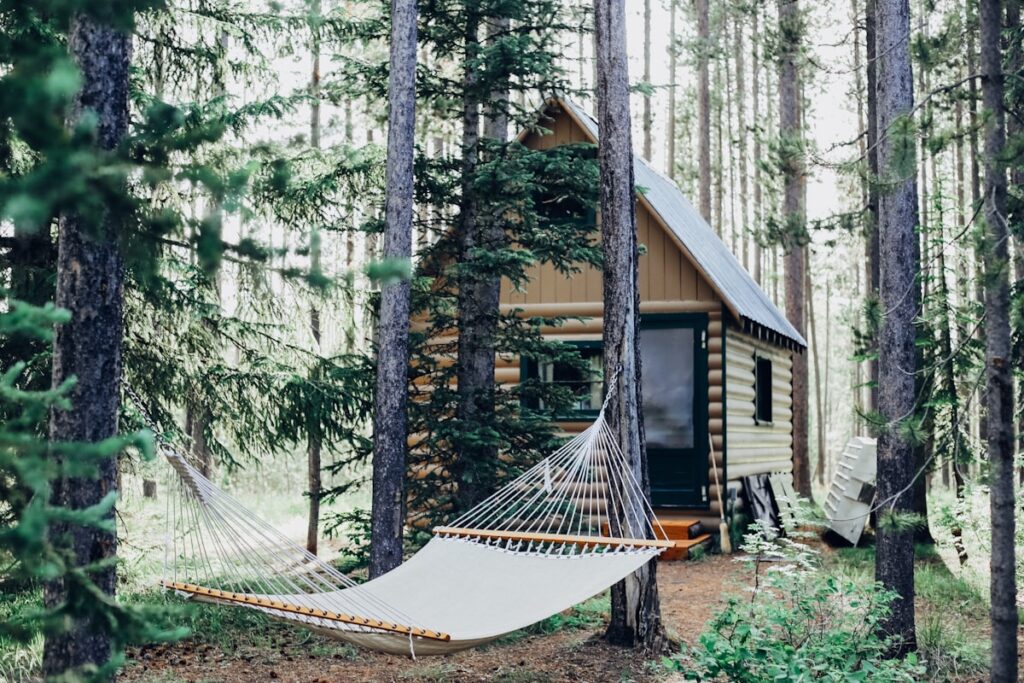
Planning a cabin getaway requires more thought and preparation than booking a standard hotel stay, but the rewards of a well-planned cabin vacation far exceed the additional effort required. This comprehensive guide walks you through every stage of planning.
Step 1: Assess Your Group’s Needs
The planning process should begin with honest assessment of your group’s needs and preferences.
Questions to Ask Yourself
- Who will be traveling?
- What are everyone’s priorities?
- What’s your budget range?
- How long will you stay?
- What activities interest you?
Consider who will be traveling: families with children have different requirements than couples seeking romance, while groups of friends may prioritize social spaces over privacy. Discuss expectations openly with all participants before beginning your search.
Group Type Considerations
| Group Type | Key Needs | Priority Features |
|---|---|---|
| Family with Kids | Safety, space, activities | Fenced yard, game room |
| Couple | Privacy, romance | Hot tub, fireplace, views |
| Friends | Social spaces | Large living area, outdoor fire pit |
| Remote Workers | Connectivity | Fast WiFi, workspace |
Step 2: Set Your Budget
Budget determination requires looking beyond nightly rental rates.
Hidden Costs to Consider
- Cleaning fees ($50-200)
- Service charges (10-15%)
- Security deposits
- Travel/fuel costs
- Grocery shopping
- Activity fees
Calculate total costs including cleaning fees, service charges, taxes, and travel expenses. Factor in meal costs: will you dine out frequently or prepare most meals in your cabin kitchen?
Sample Budget Breakdown
| Expense | Budget Range |
|---|---|
| Cabin Rental (3 nights) | $450-1,500 |
| Cleaning Fee | $75-150 |
| Groceries | $150-300 |
| Activities | $100-400 |
| Travel Costs | $50-200 |
| Total | $825-2,550 |
Step 3: Choose Your Timing
Timing considerations affect both pricing and experience quality.
Seasonal Guide
Peak Season (Most Expensive)
- Summer: June-August
- Winter Holidays: December-January
- Spring Break: March-April
Shoulder Season (Best Value)
- Spring: April-May
- Fall: September-November
- Late Winter: February-March
Best Times by Activity
| Activity | Best Months | Why |
|---|---|---|
| Skiing | December-March | Snow conditions |
| Hiking | May-October | Trail accessibility |
| Swimming | June-August | Warm water |
| Fall Foliage | September-October | Peak colors |
| Wildlife Viewing | Spring & Fall | Animal activity |
Step 4: Select Your Location
Location selection involves balancing multiple factors.
Location Factors to Consider
- Distance from home
- Proximity to activities
- Level of seclusion
- Accessibility (road conditions)
- Nearby services (groceries, medical)
Popular Cabin Destinations
| Destination | Best For | Travel Time |
|---|---|---|
| Smoky Mountains | Families | Varies by region |
| Lake Tahoe | Year-round | West Coast accessible |
| Adirondacks | Nature lovers | East Coast accessible |
| Colorado Rockies | Skiing | Mountain access needed |
Step 5: Research Properties
Property research should extend beyond listing photos and descriptions.
What to Look For
- Recent reviews (last 6 months)
- Host response rate
- Accurate photos
- Detailed amenities list
- Clear house rules
Red Flags to Avoid
- Few or no reviews
- Vague descriptions
- No response from host
- Prices too good to be true
- Missing important details
Step 6: Book Your Cabin
Booking strategies can secure better rates and properties.
Booking Tips
- Book early for peak seasons (3-6 months ahead)
- Book last-minute for deals (1-2 weeks before)
- Contact hosts directly for extended stays
- Use price alerts on booking platforms
What to Confirm Before Booking
- Check-in/check-out times
- Cancellation policy
- Pet policy (if applicable)
- Parking arrangements
- WiFi availability
Step 7: Plan Your Packing
Packing for cabin stays differs from hotel travel.
Essential Packing List
Bedroom & Bathroom
- Toiletries (not all cabins provide)
- Extra towels
- Comfortable pajamas
- Slippers for indoor/outdoor
Kitchen
- Favorite snacks
- Special ingredients
- Coffee/tea
- Wine opener
Entertainment
- Board games
- Books
- Downloaded movies
- Playing cards
Outdoor
- Hiking boots
- Rain jacket
- Flashlights
- Bug spray
Step 8: Plan Activities
Activity planning should balance structure with flexibility.
Pre-Trip Research
- Local hiking trails
- Nearby attractions
- Restaurant reservations
- Equipment rentals
- Weather forecasts
Leave Room for Spontaneity
The best cabin memories often come from unplanned moments: wildlife sightings, stunning sunsets, or simply enjoying quiet time with loved ones.
Step 9: Prepare for Arrival
Arrival preparation includes practical considerations often overlooked.
Before You Leave Home
- Download offline maps
- Save host contact info
- Check road conditions
- Plan grocery stops
- Print booking confirmation
Upon Arrival Checklist
- Inspect property for damage
- Test all appliances
- Locate emergency equipment
- Review checkout procedures
- Ask host about local tips



Leave a Reply