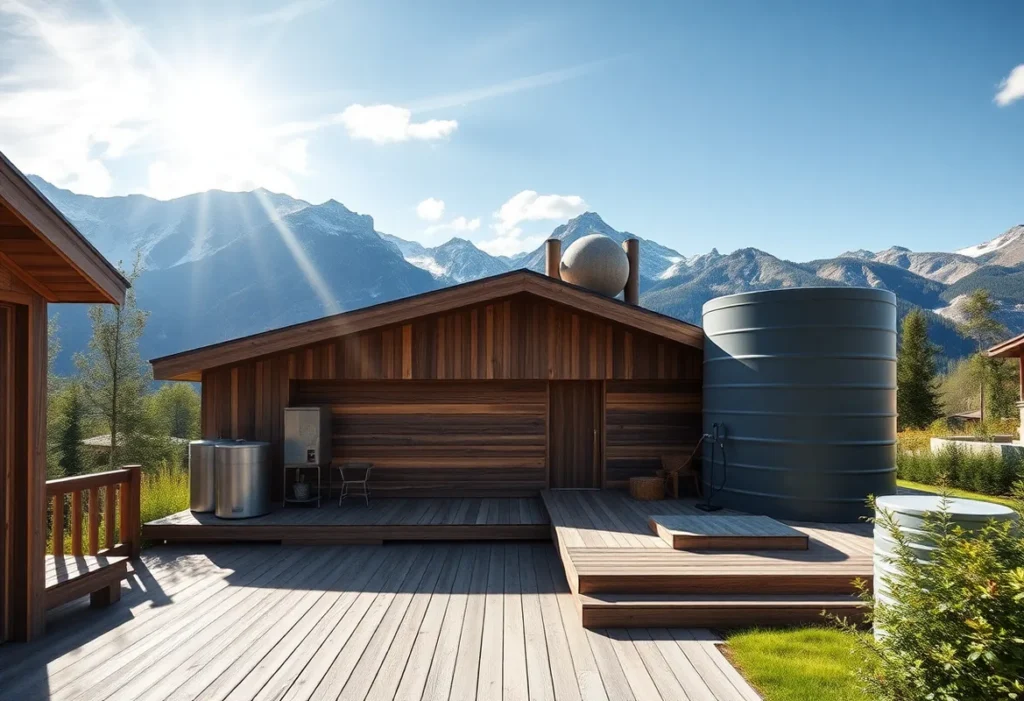
Off-Grid Cabins are self-sufficient dwellings designed to operate independently from public utilities, serving as a foundational element of mountain living. A standard off-grid cabin typically requires 40% less energy than a conventional home due to its efficient design and use of renewable resources.
Table of Contents
Before building an Off-Grid Cabin, research local zoning laws, access to water and drainage, renewable energy sources, and sustainable building materials. Consider insulation, waste management, and heating systems. Planning for self-sufficiency and environmental impact is crucial for a successful project.
Understanding the Costs of an Off-Grid Cabin: A Guide to Off-Grid Cabins
Building an off-grid cabin has many costs. These include land, materials, and systems for energy, water, and waste. The average cost is between $20,000 and $150,000. Budgeting is key for a successful project.
💡 Expert Notes & Insights
- Regulatory Considerations: Many individuals overlook the importance of local zoning laws and building codes when planning an off-grid cabin. Understanding these regulations is crucial as they can significantly impact the feasibility of building and living off-grid. Non-compliance may result in fines, forced removal, or costly modifications to the cabin. Research indicates that areas with strict regulations may require permits for solar installations or waste management systems, which can add to expenses and complexity.
- Long-Term Sustainability Planning: A common oversight is the lack of a long-term sustainability plan that goes beyond initial setup costs. While many focus on immediate expenses like cabin construction and energy systems, ongoing costs such as maintenance, fuel for generators, or replacement of renewable energy components can accumulate. Studies show that budgeting for these factors over a 10 to 20-year horizon is essential for true off-grid living sustainability, ensuring that the lifestyle remains economically viable.
Land prices can vary a lot. Remote spots in mountains or forests can be cheaper. But, accessibility and local services affect the price. Always check zoning laws and property taxes. Think about these factors when picking your spot. Consider the distance to nearby towns for supplies and services. This can save money and time in the long run.
Materials also affect costs. Wood is a common choice for cabins. It is natural and gives good insulation. Other options are straw bales or recycled materials. Each has different costs and benefits. Think about strength and upkeep when choosing materials. Local availability can impact pricing too. Look for local suppliers to save on transportation costs.
Energy systems add to the budget. Solar panels can cost between $15,000 and $30,000. Buying quality panels gives long-term savings. Propane systems for heating and cooking are another choice. They can cost less at first but add ongoing fuel costs. Look into hybrid systems for better efficiency. Consider battery storage for excess solar energy, which can enhance reliability.
Water and waste systems are important, too. Options range from simple rainwater collection to more complex setups. Basic systems are cheaper, while advanced setups can cost more. Think about composting toilets as a low-cost solution. They help reduce waste and require less maintenance. Knowing these costs helps in planning your off-grid living well.
Essential Features for Your Off-Grid Retreat
This section provides additional context and guidance related to Off-Grid Cabins. For the best outcome, combine these insights with the core strategies outlined throughout this guide.
Every project is unique, so feel free to adapt the recommendations here to suit your specific needs, budget, and timeline.
Innovative Technologies Supporting Sustainable Living
Advanced solar panel systems are a game changer for off-grid cabins. They provide clean energy without using the grid. These systems can power essential appliances, like refrigerators and lights. Consider investing in high-efficiency solar panels. They capture more sunlight and make more energy.
Wind turbines offer another option. They use wind energy, especially in high places. This tech can cut down on the need for solar alone. However, they need more space and can be noisy. For best results, install turbines at a higher spot where wind speeds are stronger.
Rainwater harvesting systems catch and store water. This method cuts the need for outside water sources. These systems need a good filter to ensure safe drinking water. Adding a first-flush diverter can improve water quality by removing debris Design, Build & Live Free Off The….
Finally, composting toilets are efficient and eco-friendly. They cut down on water use and waste. Some people find them better than traditional options. They need less upkeep and are odor-free when used right. Use carbon-rich materials like sawdust to manage odors and help composting.
Innovative technologies like these make off-grid living possible. They boost sustainability and let people enjoy freedom from traditional utilities.
Water Storage Solutions for Remote Cabins
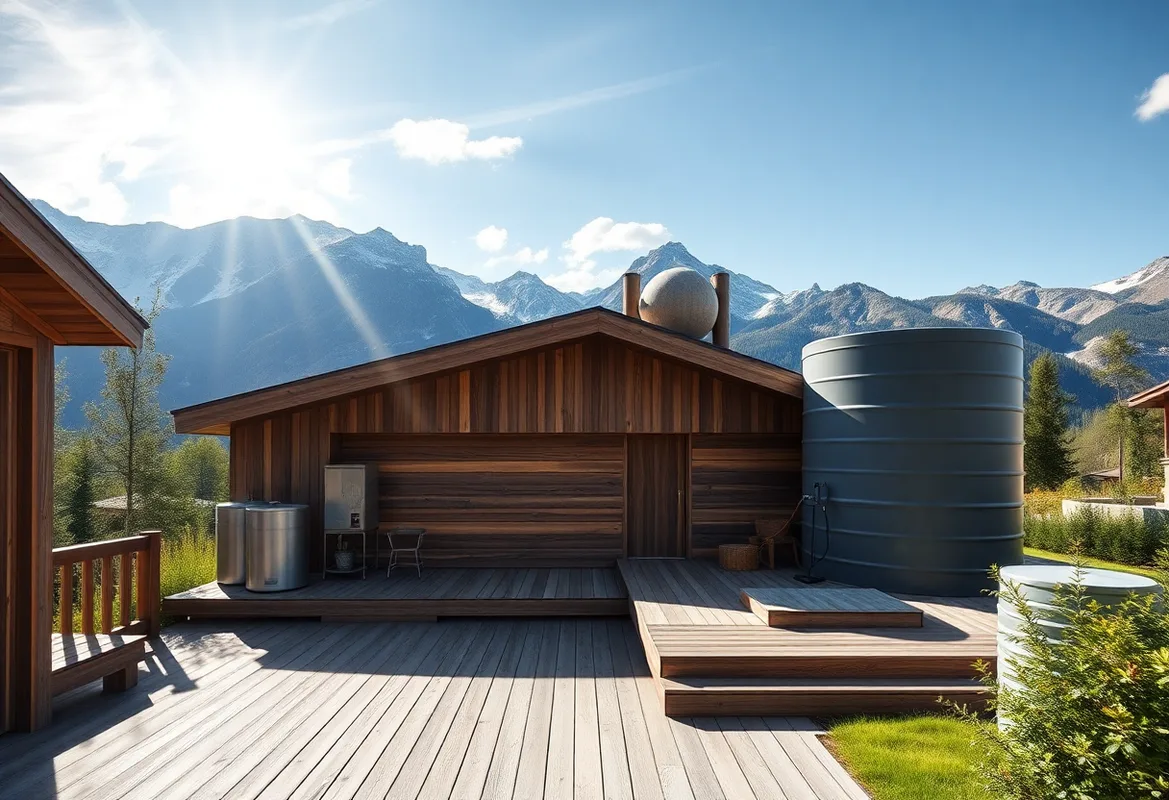
Remote cabins require reliable water storage solutions. Two main options are tanks and cisterns. Each has its pros and cons.
Water tanks are simple and easy to install. They come in various sizes, usually ranging from 250 to 2,500 gallons. Tanks are often made from plastic or metal. You can place them above ground or bury them underground. Above-ground tanks are easier to access for cleaning and maintenance. On the other hand, buried tanks save space and are protected from freezing temperatures. Costs can vary, typically from $200 to $1,500 depending on size and material. Choose a tank with UV protection if you go for plastic.
Cisterns offer a more permanent solution for larger water needs. These underground systems can hold thousands of gallons. They help maintain a consistent water supply, especially in dry seasons. Cisterns can cost between $1,000 and $5,000, depending on size and installation. However, they require more effort to install and maintain than tanks. Regularly check for leaks or sediment buildup to ensure clean water.
Both options can be integrated with a solar-powered pump. This setup creates an energy-efficient system. Using solar energy helps reduce electricity costs. Additionally, consider installing a filtration system to ensure water quality. Ultimately, your choice depends on your water needs, budget, and available space Small Off-Grid Cabin Plans Liam – Pin-Up….
Maximizing Space in Your Off-Grid Cabin
Efficient use of space is crucial in off-grid cabins. Consider multifunctional furniture. A sofa that converts into a bed saves area and adds comfort. Storage ottomans can hold blankets or games. Choose tables that fold when not in use. This simple step can free up valuable floor space.
Built-in shelves are another smart idea. They use wall space for storage without sacrificing floor area. You can also create vertical gardens. Using wall-mounted planters adds greenery while saving ground space. Consider hanging pots for herbs in the kitchen. They provide fresh ingredients while enhancing decor.
For kitchens, opt for compact appliances. A small fridge and a two-burner stove can meet basic needs. This approach creates more room for food prep and dining. Use nesting cookware that stacks to save space in cabinets.
Consider lofted beds for sleeping arrangements. They free up floor space for other uses. Use the space beneath for storage, like bins or boxes. This design maximizes both functionality and comfort. You could even add a small desk or reading nook below.
Choose a layout that promotes flow. Open spaces feel larger. Avoid clutter and keep only essential items. Regularly check your cabin for items that can be donated or discarded. Use storage solutions like under-bed boxes. They keep belongings out of sight while utilizing every inch of space.
Considerations for Energy Efficiency in Remote Living
Energy efficiency is crucial for off-grid cabins. It directly impacts your budget and living comfort. Start with proper insulation. Good insulation keeps your cabin warm in winter and cool in summer.
R-value measures insulation effectiveness. Think of it like a warm blanket. The higher the R-value, the better it keeps heat in. Use materials like straw bales or reclaimed wood for this purpose. Ensure all gaps are sealed. Even small openings can cause heat loss.
Next, consider windows. Double-glazed windows are excellent for energy efficiency. They trap heat better than single-pane options. While they might cost more upfront, they save on heating expenses. Make sure they are well-fitted to eliminate drafts.
Solar panels provide renewable energy. They can power your lights and appliances. Though the initial setup can be costly, this investment pays off long-term. Assess your energy needs to size your system correctly.
Lastly, think about energy-efficient appliances. They use less power but offer the same performance. Look for Energy Star-rated products. These choices lower monthly expenses and reduce your overall environmental impact.
Choosing the Right Appliances for Off-Grid Living
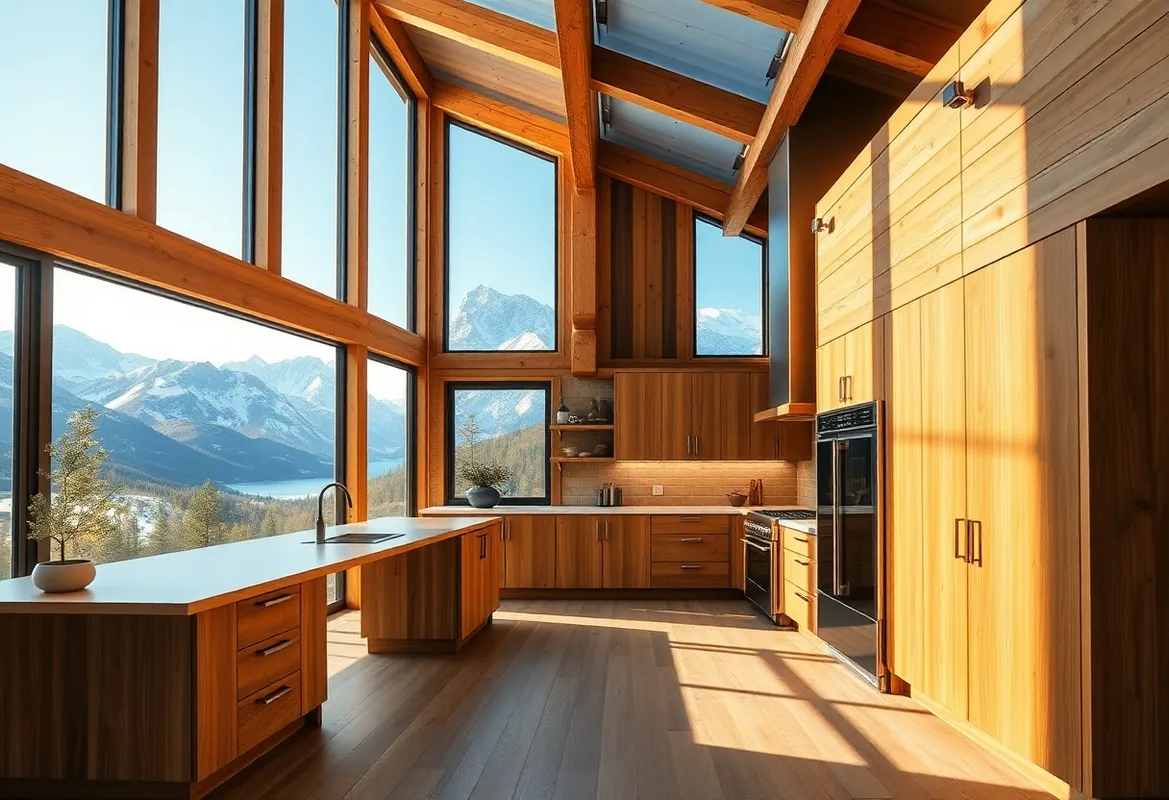
Choosing the right appliances is key for off-grid living. You want efficient tools that match your energy sources. For example, a propane refrigerator uses less energy than a full-size electric model. However, it can cost more to run over time. Look for models that offer good insulation, as they keep food cold longer and reduce energy use.
Solar-powered appliances are a great choice. They work well in sunny areas and can save money on utility costs. However, they may cost more upfront. Consider investing in a solar oven for cooking. It’s affordable and uses no fuel, but it needs sunlight to work well. You can also look for energy-efficient cookers that run on batteries or solar.
Always check energy ratings before you buy. Energy-efficient models help you save energy and money. Also, think about multi-functional appliances. A combination washer-dryer can save space and water, making it ideal for a log cabin.
In the end, balance your needs with your budget. Look for durable, low-maintenance options. You want appliances that improve your lifestyle without hurting sustainability. Keep in mind that reliability is crucial when off the grid. Investing in quality appliances pays off in the long run.
Waste Management Strategies for Sustainable Cabins
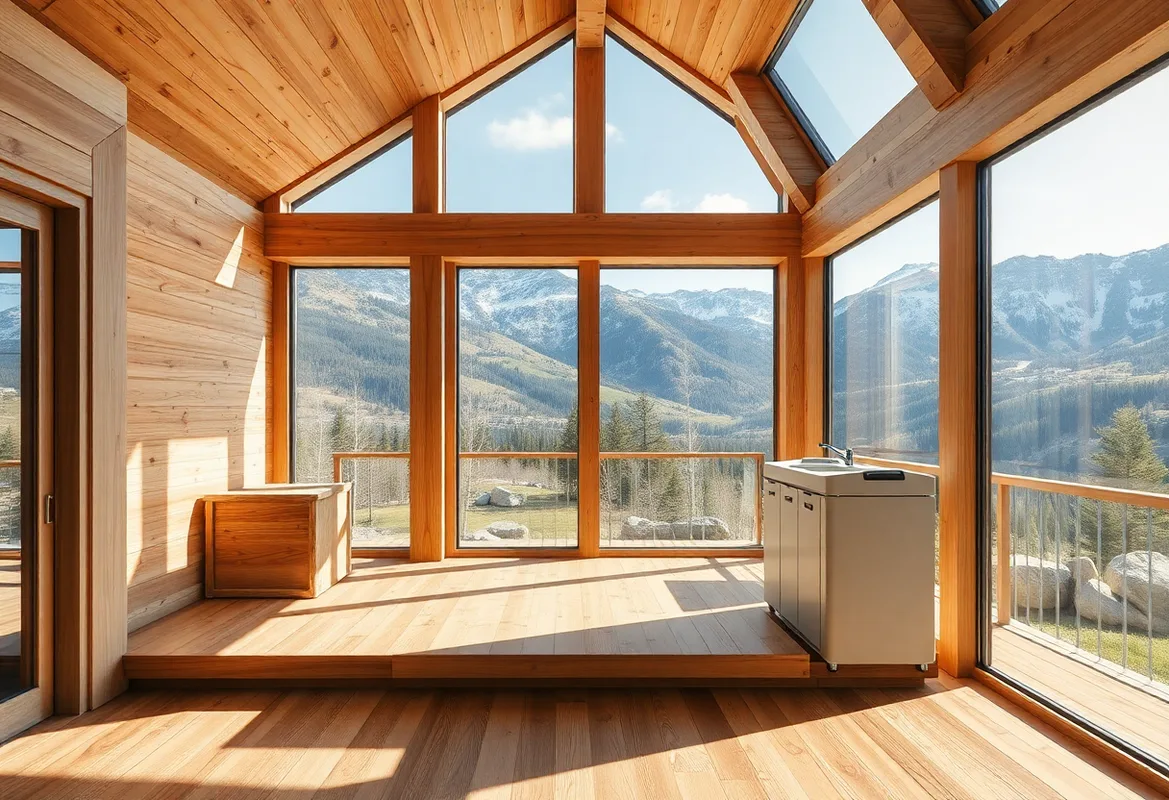
Good waste management is key for off-grid cabins. Composting toilets are a popular choice. They use little water and turn human waste into useful compost. This reduces your environmental impact and helps improve soil health. Proper maintenance can make these toilets last for years.
Another option is a traditional septic system. These systems need more water and care. They can be more expensive to install. However, they manage waste well in remote areas. Always check local rules before choosing a system or installing any system.
Recycling is another key strategy. Set up separate bins for paper, plastic, and metal. This keeps waste out of landfills and allows you to reuse materials. Create a designated storage area for recyclables until you can dispose of them properly. You might also want to consider composting organic waste. This adds nutrients to your garden.
Think about gray water systems for water management. These systems reuse water from sinks and showers for irrigation. This saves water and reduces waste. Using mulch with gray water helps absorb extra moisture. Both options support sustainable living in off-grid cabins. Effective waste management is essential for a healthy, self-sufficient lifestyle.
Creating a Flexible Layout for Your Cabin
Designing a flexible layout is key for your off-grid cabin. A good floor plan uses space well and allows for change. Think about open layouts that mix living, dining, and kitchen areas. This design makes the space feel bigger and helps people connect.
For example, a single-room cabin can have many uses. It can be a living room by day and a bedroom by night. This choice saves space and cuts costs. A two-room layout gives more privacy. It can keep sleeping areas separate from common spaces, but it may need more materials and cost more.
Use design tools to see your layout. These tools let you try out different setups. Make sure your design fits future needs. Think about how you might want to use the space as your family grows or changes.
Add features like foldable furniture or hidden storage. These items boost flexibility and use space well. A smart layout can make your off-grid cabin a cozy and useful home.
Related Reading
Expand your knowledge with these related guides:
Frequently Asked Questions
Q: What is an Off-Grid Cabin?
A: An Off-Grid Cabin is a home that operates independently. It does not rely on public utilities.
Q: How do Off-Grid Cabins get power?
A: They often use solar panels or wind turbines. This is like using a battery for your phone.
Q: What is R-value?
A: R-value measures insulation’s ability to keep heat in. It’s like a warm blanket on a cold night.
Q: How do you get water in an Off-Grid Cabin?
A: Many use rainwater collection systems. This is like catching water in a bucket during a rainstorm.
Q: What is thermal mass?
A: Thermal mass stores heat. It’s like a stone that stays warm even when the sun sets.
Q: What is chinking?
A: Chinking fills gaps in log cabins. It’s like using caulk to seal windows at home.
Conclusion
Off-grid cabins represent not just a retreat from the chaos of modern life but also a profound commitment to sustainability and self-sufficiency. By embracing this lifestyle, you are choosing to immerse yourself in nature, reduce your ecological footprint, and cultivate a deeper connection with the land. The journey of creating an off-grid cabin is one of adventure, innovation, and personal growth, offering a unique opportunity to design a space that truly reflects your values and aspirations.
Now that you’ve explored the essentials of off-grid living, I invite you to take action! Share your own projects, ideas, or dreams about off-grid cabins in the comments below. Your insights could inspire others on their journey toward building a life harmoniously intertwined with nature. Let’s build a community of mountain living enthusiasts together!
About the Author:
James Thornton is a seasoned specialist with a lifelong passion for mountain architecture and rustic home design. With decades of experience in log home construction, he is dedicated to helping people turn their wilderness dreams into durable, stunning realities.
Leave a Comment